CNS Workshop Builds African Capacity to Strengthen Nuclear and Radiological Security
February 21, 2017
On February 6–10, 2017, the James Martin Center for Nonproliferation Studies (CNS) and the African Center for Science and International Security (AFRICSIS) conducted their second joint capacity-building workshop, titled “Nuclear Security Policy and Practice in the African Continent.” AFRICSIS, an independent, science-based non-profit organization established by Mr. Hubert Foy—an alumnus of the Middlebury Institute of International Studies at Monterey—hosted the workshop in Accra, Ghana.
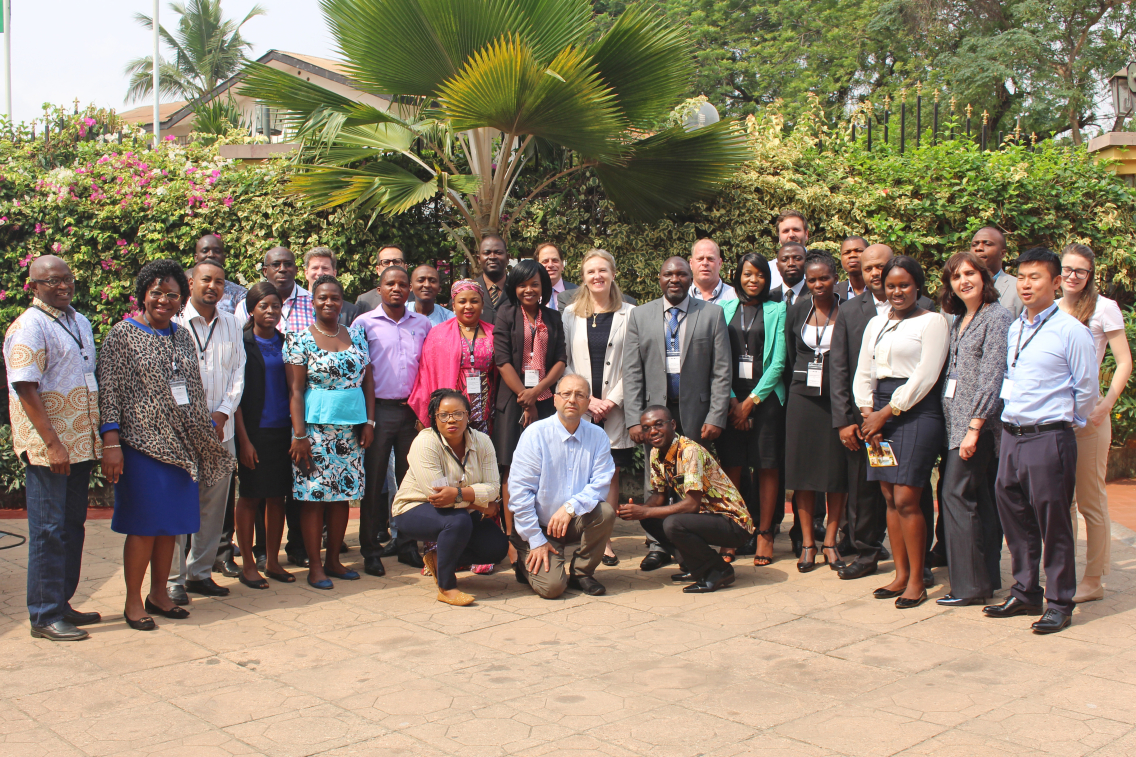
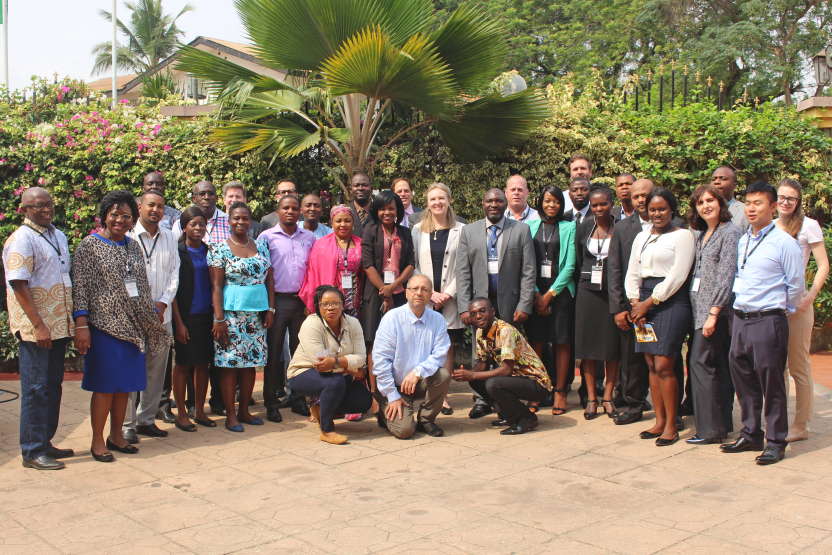
Participants of the workshop “Nuclear Security Policy and Practice in the African Continent” in Accra, Ghana
Building on the successful outcome of the first CNS-AFRICSIS workshop in 2016 and the need to meet a growing demand for nuclear security training and capacity building on the African continent, the agenda for this follow-up workshop was developed to benefit a wide range of practitioners. It targeted professionals who currently work in the fields of nuclear and radioactive security, or whose professional activities have an impact on fostering and strengthening nuclear security in the region. This event brought together thirty participants from twelve countries, including inspectors and officials from nuclear regulatory authorities, foreign ministries, law enforcements agencies, medical and cancer treatment facilities, and universities. Burundi, Cameroon, Egypt, Ethiopia, Ghana, Kenya, Malawi, Nigeria, Senegal, Sudan, South Africa, and Togo were all represented at the workshop. A number of representatives from regional and international organizations in Africa also attended the workshop, including the African Union, African Commission on Nuclear Energy (AFCONE), Interpol, and United Nations Regional Centre for Peace and Disarmament in Africa (UNREC). Workshop presentations featured experts from CNS, Nigeria, and South Africa, as well as international organizations such as the International Atomic Energy Agency (IAEA) and the Group of Experts established to support United Nations Security Council Resolution (UNSCR) 1540.
Workshop Program Components
The workshop program featured several components:
- Presentations by participants on possible threats of terrorism in their home countries involving radiological and nuclear materials and measures taken to address these threats.
- Presentations by subject matter experts from CNS, Nigeria and South Africa on peaceful uses of nuclear and radioactive materials; threats posed by such materials, including nuclear and radiological terrorism; nuclear and radiological security; the international nuclear security regime; the use of new online tools to locate orphan and disused sources; nuclear security culture and physical protection; and regional and international opportunities for nuclear security training and education. Additionally, IAEA and UNSCR 1540 experts delivered a set of presentations about their organizations’ roles in implementing nuclear security and addressing nuclear security needs in Africa. The agenda also featured presentations by CNS and AFRICSIS experts on HEU minimization efforts in Africa and the challenges and opportunities in utilizing alternatives to high-risk radiological sources. Further topics included transportation security and transboundary movement of radioactive sources in scrap metal, both topics being of acute interest to workshop participants.
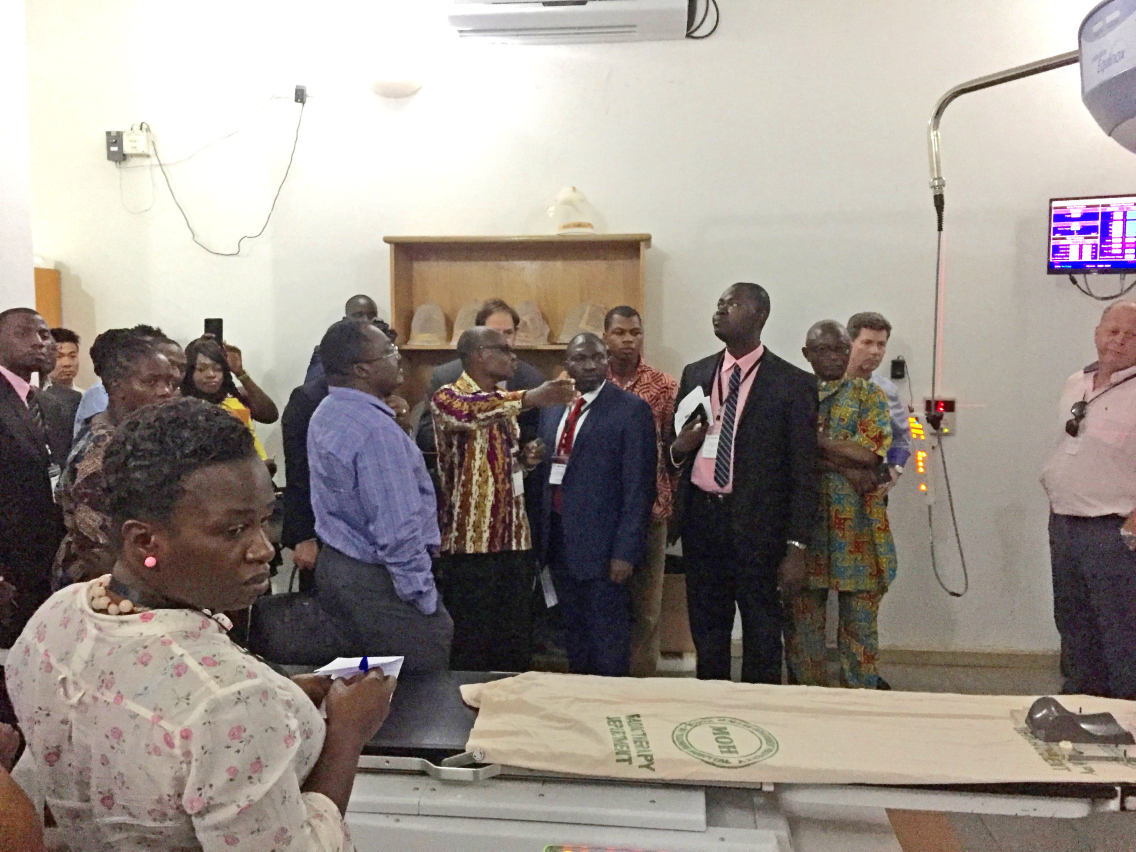
Workshop participants during a visit to Korle Bu Hospital
The workshop organizers also convened a meeting of select experts on the last day of the workshop to produce recommendations and identify future activities for improving nuclear security in Africa. Recommendations included a more careful approach to the use of definitions as they are applied to disused radioactive sources and the possible development of a glossary for use both by producers and users of radioactive sources; further exploration of, and outreach relating to, security culture at medical facilities; and development of regional-specific nuclear security culture best practices. All experts agreed on the need to organize such regional workshops on a regular basis for training and professional development purposes, and to serve as platforms for networking and regional dialogue.
Participant Feedback
At the end of the workshop, participants shared their feedback and explained how this workshop helped them professionally:
“More work needs to be done by African countries to join treaties and improve domestic legislation to address nuclear security threats. The offense of illicit trafficking is not considered in many countries, making it difficult for judges to establish criminality.” —A participant from Ethiopia.
“We learned about alternative solutions to the use of highly radioactive sources.” —A participant from Cameroon.
“The workshop challenged me to consider the security of our radioactive sources – Cobalt-60 will be around for a while yet.” —A participant from Ghana.
“Education is key to promote nuclear security in the world.” —A participant from Sudan.
“The workshop opened my eyes and expanded my horizons.” —A participant from Nigeria.
The workshop received wide coverage by Ghana’s national media outlets, including newspaper reports in the Daily Graphic about the workshop and Korle Bu Hospital visit, a TV news report, and a BBC World Service Accra program featuring Elena Sokova, Hubert Foy, and Miles Pomper.
The workshop was sponsored by the UK’s Department for Business, Energy & Industrial Strategy and the Carnegie Corporation of New York.