

Ben Rosmarin ’26 Awarded Princeton in Africa Fellowship
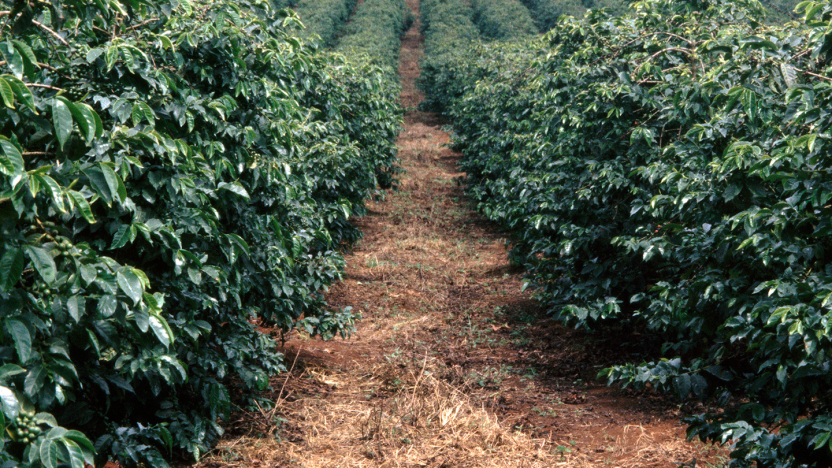
Ben Rosmarin ’25.5 has been awarded a Princeton in Africa Fellowship to work in Nairobi, Kenya and Kampala, Uganda, as a data and insights fellow with Enveritas, a nonprofit that verifies sustainability practices for smallholder coffee and cocoa farmers.
Rosmarin will support survey operations to improve sustainability and transparency in global coffee and cocoa supply chains. The fellowship builds on his senior thesis, which examined agricultural development in sub-Saharan Africa and the challenges facing smallholder farmers, who typically farm fewer than five acres, as well as the role agricultural extension can play in improving outcomes.
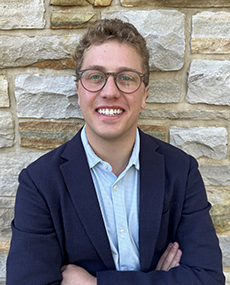
“I always felt the missing piece was being able to spend time on the ground, seeing how farms in the region actually operate and speaking directly with the people involved,” said Rosmarin. “As a Princeton in Africa Fellow, I’ll have the opportunity to do exactly that.
The support I received from faculty and mentors at Middlebury pushed me toward opportunities like Princeton in Africa and gave me the tools and confidence to pursue this fellowship.”
Princeton in Africa matches college graduates with organizations across Africa for yearlong service fellowships. Since 1999, fellows have worked to improve education and public health, expand access to clean water and alternative energy, increase family incomes, and address other challenges facing communities across the continent.
As an environmental policy major at Middlebury, he studied how institutional constraints and risk shape smallholder farmers’ adoption of integrated soil fertility and regenerative agricultural practices across sub-Saharan Africa. He also worked as a business development lead at a soil data startup that measures carbon sequestered in agricultural fields across the U.S. and Europe—partnering with African NGOs to advance soil measurement technology and translate complex scientific capabilities into practical tools for carbon markets.
“I applied for the fellowship because I want to help shape the future of African agriculture toward systems that restore rather than deplete,” said Rosmarin, who plans to work professionally on regenerative agriculture and sustainable food systems. “Ultimately, the fellowship will help me bridge the gap between studying sustainability and working on it firsthand.”