

Brandeis student wins $10,000 grant to build conflict early warning system in Pakistan
by David Levin, Senior Research and Features Writer, and Brandeis University Office of Communications Marketing
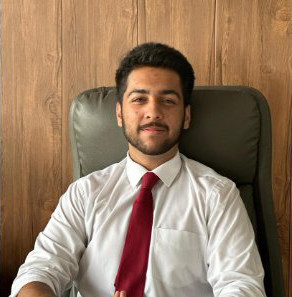
Originanlly published April 27, 2026 in Brandeis Stories.
Ali Arshad ’28, a Wien Scholar and first-generation international student from Chakwal, Pakistan, has been selected as Brandeis University’s 2026 Projects for Peace grantee. He will receive $10,000 to develop a community-based early warning system designed to prevent sectarian violence in rural villages in his home district.
Arshad is no stranger to community-based work. At Brandeis, he founded the Brandeis Peace Club, the university’s first student-run think tank focused on global conflict and conflict resolution. He also previously led a measles vaccination campaign in Chakwal and earned the COMPACT x Brandeis Library Research Excellence Prize for a policy brief on Pakistan’s polio eradication program.
His latest project through Projects for Peace involves the Nambardar system, a network of government-recognized village leaders who serve as trusted intermediaries between communities and local authorities in Pakistan. By training those leaders in conflict resolution and building a cross-village communication network, his project aims to identify early signs of sectarian tension — like rumors, hate speech, and social polarization — before they escalate into violence. The model is designed to be self-sustaining and replicable across Pakistan.
Read more about Arshad’s project on the COMPACT website.