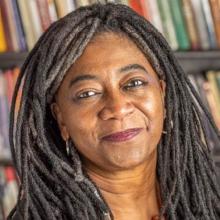
The Rohatyn Center for Global Affairs Program for Global Health and Medicine, in collaboration with the Middlebury Institute of International Studies at Monterey, the Jan Knippers Black Fund, and Middlebury College Departments and Programs of Anthropology, Global Health, Black Studies, Gender, Sexuality, and Feminist Studies, and the Center for the Critical Study of Race and Ethnicity warmly invite you to a public lecture by Professor Kamari Maxine Clarke.
The RCGA program on Global Trends in Autocracy and Democracy presents James Morone ‘75 and presentation “Republic of Wrath: How American Politics Turned Tribal.”
The Rohatyn Center for Global Affairs program on Power, Wealth and Global Political Economy presents Dr. David Laborde of the International Food Policy Research Institute, who will examine the different drivers that have contributed to create a global food price crisis in 2022. In particular, the Russian invasion of Ukraine has caused turmoil in three highly interconnected markets – food, fuel, and fertilizer – leading to serious food security concerns globally. Dr. Laborde will discuss various policy responses considered by policy makers in 2022 and propose potential scenarios for 2023.
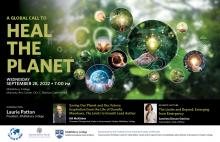
What are the global limits to sustainable growth and development? Can we stay within them and how? Join a special evening of reflection on our common future, insights gained from a landmark publication, and a celebration of the life and wisdom of Donella Meadows, a beloved pioneer in the effort to heal our planet.
The Rohatyn Center for Global Affairs program on Security and Global Affairs presents Edward Steinfeld and his talk, “The Great Unmooring China, the United States and the Politics of Reaction.”
The Rohatyn Center for Global Affairs program on Global Health and Medicine presents Katherine Mayall who will be discussing “Abortion Rights in the U.S.: A Global Comparative Perspective.”
The RCGA International and Global Colloquium Series presents William Poulin-Deltour, professor of French and Francophone Studies, Middlebury College, discussing reactions to French-Canadian migrants in New England in late 19th and early 20th centuries, and descendants of that migration relatively recent “discovery” of being “Abenaki.”
The RCGA International and Global Colloquium Series presents “Addressing Global Health Challenges through Environmental Justice and Microbiomes” by Erin Eggleston, assistant professor of biology, Middlebury College.