

Assembling Networks of Care in Global Maternal Health; Technologies, Tasks, and Traditional Birth Attendants
–
Virtual MiddleburyOpen to the Public
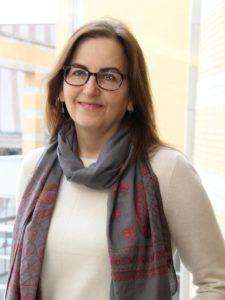
The Rohatyn Center for Global Affairs program on Global Health and Medicine presents “Assembling Networks of Care in Global Maternal Health; Technologies, Tasks, and Traditional Birth Attendants” with Prof. Margaret MacDonald.
What kind of new assemblages of care are needed to improve maternal health in global health settings? This talk opens with a focus on the social life of misoprostol, a controversial drug in reproductive and maternal health, as an entre into talking about how technologies and techniques (including medicines) are assembled alongside health providers in global health settings. Drawing on research tracking the global campaigns to reduce maternal mortality as well as contemporary ethnographic research on health projects in rural Senegal, another controversial figure emerges: that of the Traditional Birth Attendant whose recent return to favour in global health policy after decades of being sidelined, has opened the way for new assemblages of care, including new tasks and the use of new technologies such misoprostol, with the goal of improving maternal health outcomes.
Professor MacDonald is a medical anthropologist specializing in global maternal health and ethnographic research with NGOs in Senegal and amongst midwives and their clients in Canada. Her interests lie in how cultures of biomedicine, science, and technology as well as their alternatives shape our ideas and practices concerning health, illness, and health care.
Zoom Event - LINK HERE
For more information on the Rohatyn Center for Global Affairs, including the Center’s podcast series, New Frontiers, visit here.
- Sponsored by:
- Rohatyn Center for Global Affairs, Global Health Minor Program, and Anthropology
Contact Organizer
DeFoor, Margaret
mdefoor@middlebury.edu
(802) 443-5324