

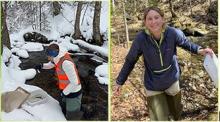
Biology & Molecular Biology and Biochemistry Senior Thesis Presentations
- Sponsored by:
- Biology
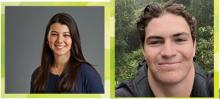
- Elle Thompson
- Kayley Porter
McCardell Bicentennial Hall 220
McCardell Bicentennial Hall 220
McCardell Bicentennial Hall 220
Putting ecosystem science in Earth system models
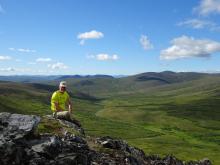
This presentation will examine the problem of improving Earth system prediction from the perspective of adding new mechanistic understanding of ecosystem processes. The difficulties of spatial scale and process resolution, and some solutions, are addressed through examples including the representation of coupled carbon and nutrient dynamics, prediction in the extreme environment of the Arctic tundra, and resolving the interface between land and ocean in coastal wetlands.
McCardell Bicentennial Hall 220
Ancilleno Davis, Michelle LeFebvre, and Alexis Mychajliw in conversation
Ancilleno Davis is an Assistant Professor of Environmental Science at the University of the Bahamas and Faculty Programs Coordinator of UB North Field Station. He grew up on New Providence Island in The Bahamas and has visited more than 13 countries and territories to deliver scientific talks or presentations on ecology and conservation.
Franklin Environmental Center, The Orchard-Hillcrest 103
McCardell Bicentennial Hall 220
McCardell Bicentennial Hall 220

McCardell Bicentennial Hall 220
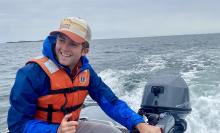
“Anthropogenic legacies and novel ecologies of maritime muskrats in the Gulf of Maine”
McCardell Bicentennial Hall 220
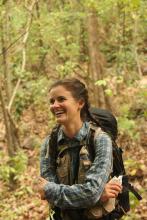
Alexa Duchesneau will deliver the final talk in the Anthropology J-term Speaker Series. Optimal nutrition is important to the survival and reproduction of many species, especially those requiring: a) long periods of development and b) those living in unpredictable nutritional landscapes. The white-faced capuchins (Cebus capucinus) of Costa Rica, fulfill both of these criteria and are useful models for investigating the relationships between nutrition, life history and climate change.
Munroe 311
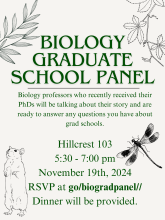
Biology professors who recently received their PhD’s will share their experiences in accomplishing this degree and answer questions about grad schools.
Franklin Environmental Center, The Orchard-Hillcrest 103