

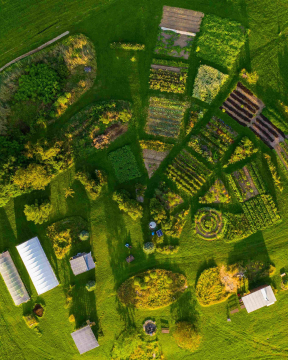
The Knoll
Our student-powered garden offers opportunities to sink hands in soil, research, and connect with community.
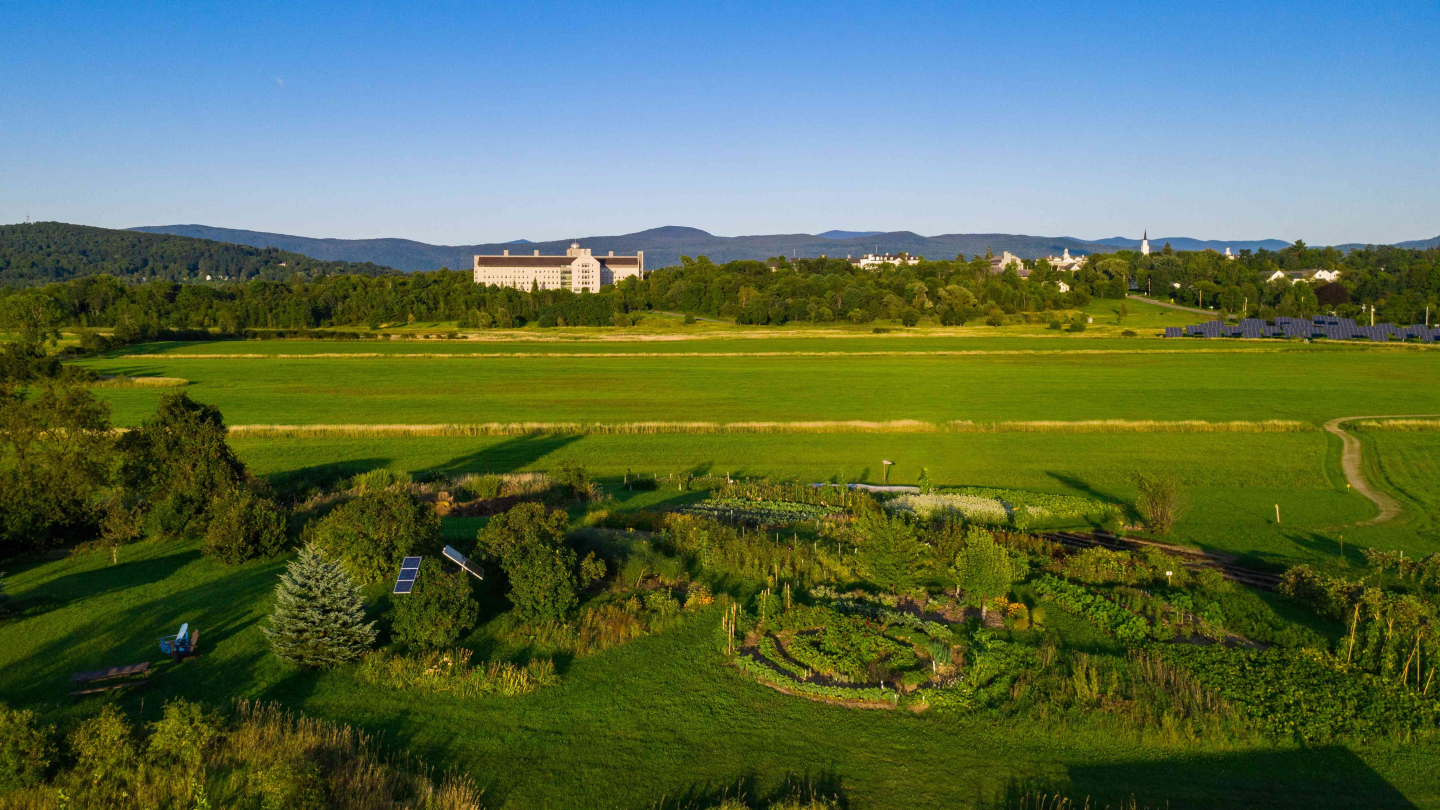
The unmistakable urgency of the climate crisis is becoming ever more dire, and Middlebury is rising to meet the moment.
As an international institution, we are poised to use all of our networks, perspectives, and resources to help tackle this daunting challenge head-on.
Aligned with Middlebury’s commitment to prepare students to lead impactful, engaged lives and to tackle society’s most pressing challenges, the Office of Sustainability and Environmental Affairs cultivates experiential learning and institutional action towards a more sustainable and just world.
Below are just a few of the many ways you can get involved with Sustainability and Environmental Affairs—on campus, locally, and around the world.
The Knoll
Our student-powered garden offers opportunities to sink hands in soil, research, and connect with community.
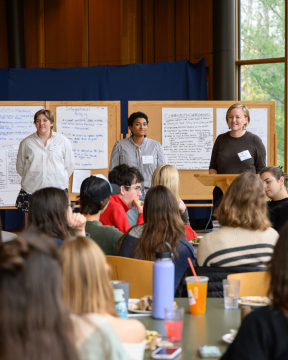
Climate Action Program
The Climate Action Program supports vital work being done on campus while piloting new opportunities to drive real impact and student capacity.
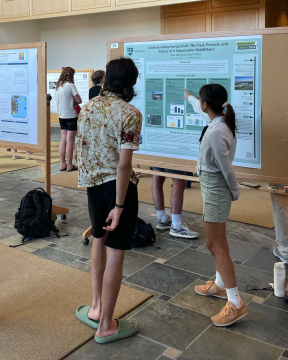
Sustainability Solutions Lab (SSL)
Provides paid, on-campus experiential learning opportunities for the practice and cultivation of critical thinking and professional skills.
EcoReps
EcoReps help to create an environmental network through peer-to-peer education, events, student connections
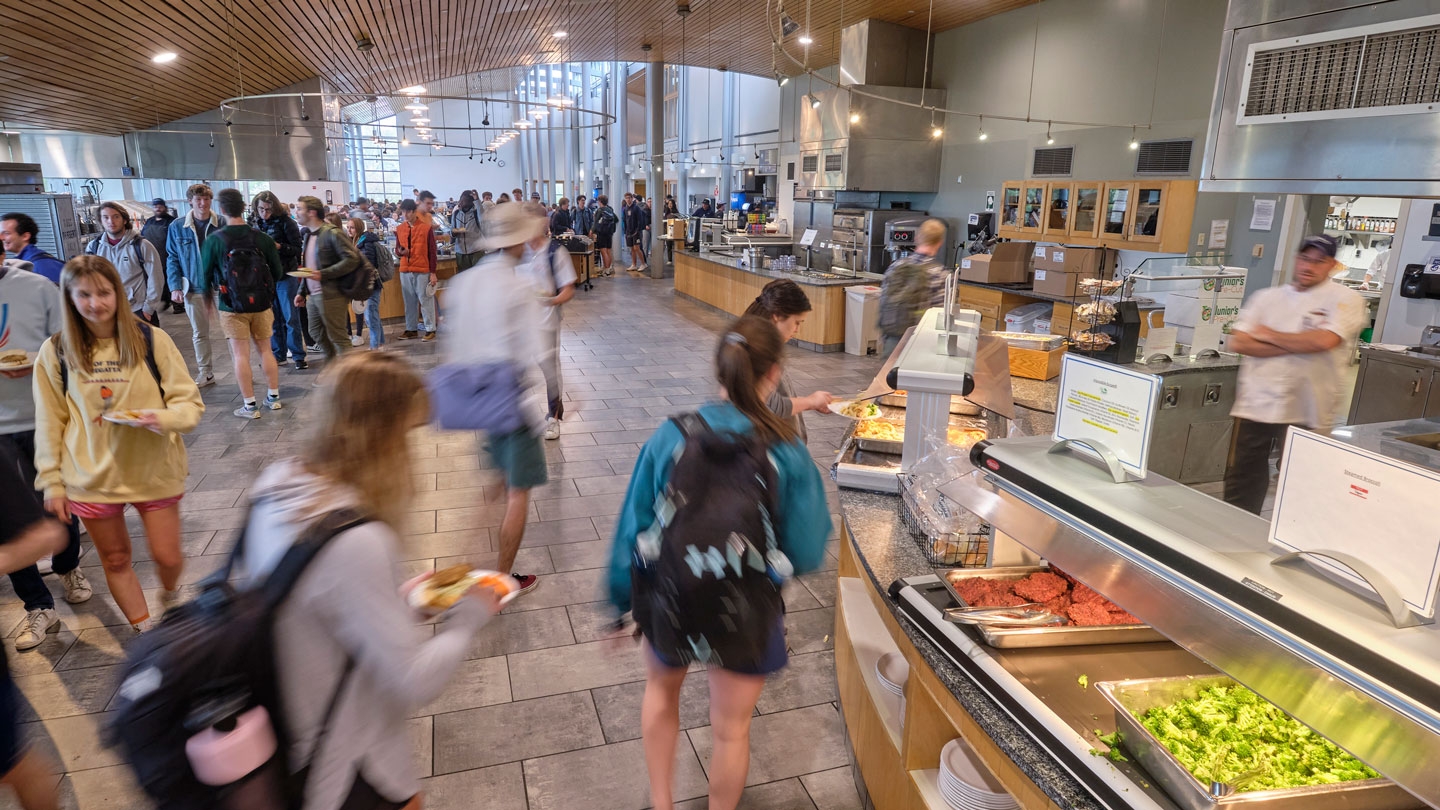
From dining halls to dorms to driving around the town and state, your daily actions can help reduce carbon emissions and contribute to cultural shift that values sustainable living. Find out how.
See Events for a complete list.

Come get creative with the EcoReps and New Perennials!
Make your own eco-friendly linocut stamps out of potatoes and use them to decorate postcards to send gratitude to your loved ones. Everyone is welcome and all materials will be provided.
What is EcoReps?
23 Adirondack View
This interactive workshop explores Shmita, the ancient Jewish practice of allowing the land to rest every seven years, and its implications for ecology, economics, and social justice.
115 Franklin Street main floor, Humanities Center
Closed to the Public
“Which Side Are You On?” a Howard E. Woodin Environmental Studies Colloquium Series talk by Garret Keizer, Writer.
The issue of environmental justice assayed from a viewpoint both leftishly biased and locally based. Questions raised: Why has “environmentalist” become a dirty word? What are the limits of environmentalism under capitalism? For whom will you be working ten years from now? Will you be working at all?
Franklin Environmental Center, The Orchard-Hillcrest 103
Open to the Public