

Long-Range Planning
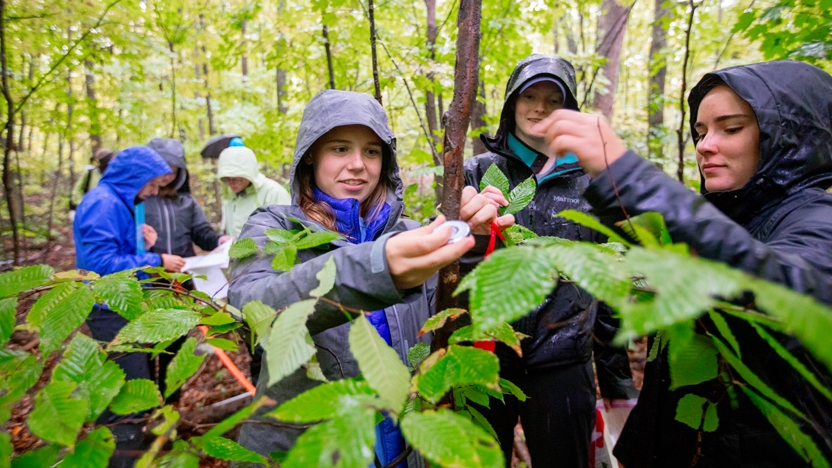
An Eye on the Future
The impetus and purpose of the Lands Stewardship and Planning Guide were formulated around a two-part question: How do these lands support society, and might there be uses and ownership that are better able to meet the goals of society now and into a future spanning half a century or so?
Living in Nature
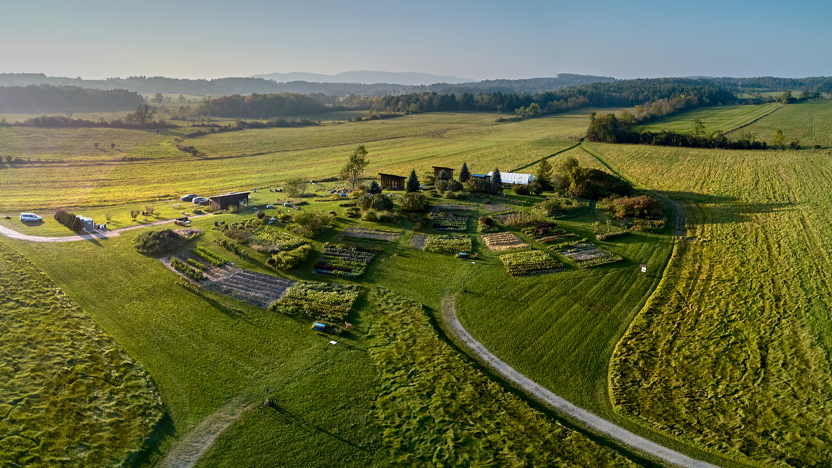
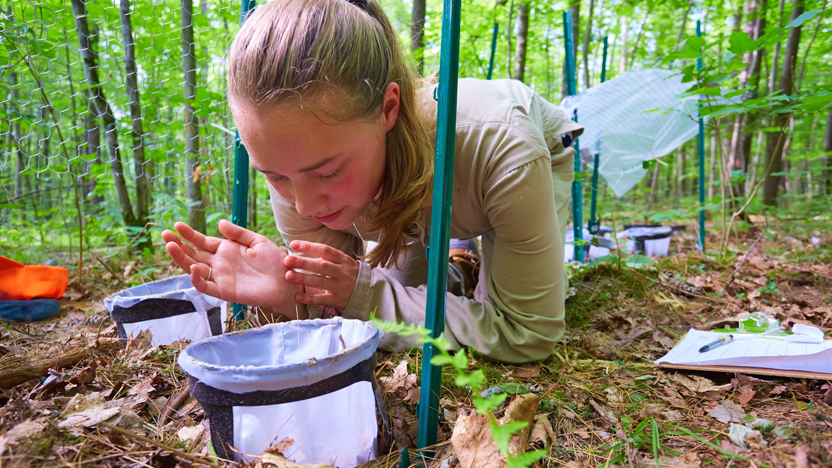
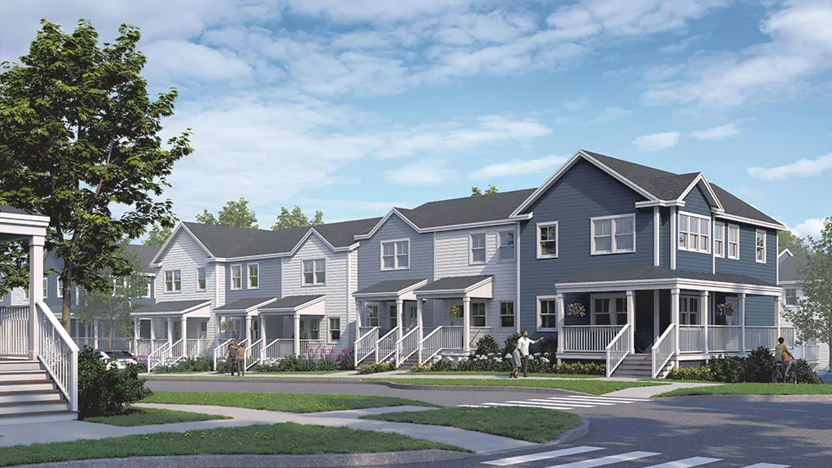
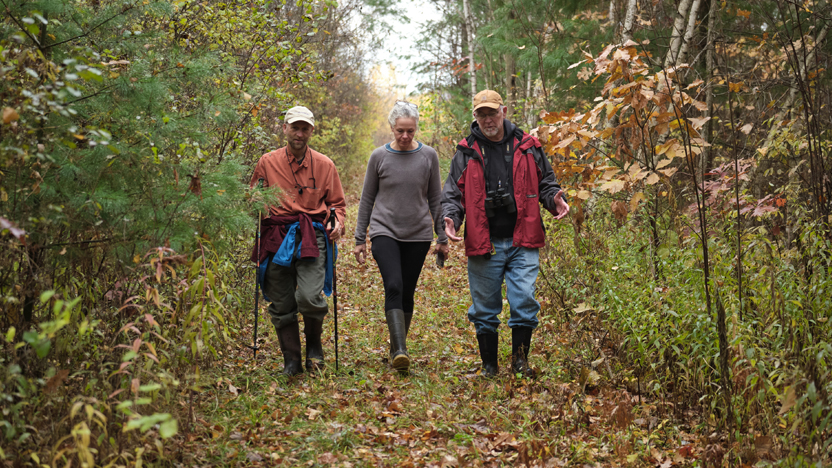
The plan prioritizes the use of Valley Lands as “functional landscapes,” meaning that both natural and social systems can thrive. The plan promotes stewardship that maintains ecosystems, species, and ecological processes while supporting housing, recreation, energy, flood and climate-change mitigation, equity, justice, and more.



Broad Recommendations
Proper stewardship of these lands means balancing their value as natural and agricultural areas against the needs of the community. To that end, we recommend that present-day and future decision makers do the following:
- Continue to steward landholdings to support and advance both the educational mission of the College and the long-term well-being of the College and broader community and region.
- Evaluate the whole landscape in decisions about how to best support and serve multiple values and functions of the area’s social and ecological communities.
- Make education decisions that relate to promoting research and educational uses through faculty dialogs, further planning for the Knoll, partnering more broadly with the College’s engaged learning centers, and maintaining the map and database of these uses.
- Make equity and justice decisions that relate to continuing work with state and nongovernmental justice groups to help the College consider opportunities in housing, agriculture, and Indigenous relations.
- Make climate resilience decisions that relate to targeted energy planning, collaborations with the local foods systems community, flood resilience planning, and ongoing work to enhance habitat connectivity.
- Make spiritual life and wellness decisions that relate to collaborating with the College centers and campus groups and keeping wellness in the forefront of lands discussions, especially related to the Western Area.
- Make process decisions that relate to more formally codifying the lands committee’s operations and membership.