

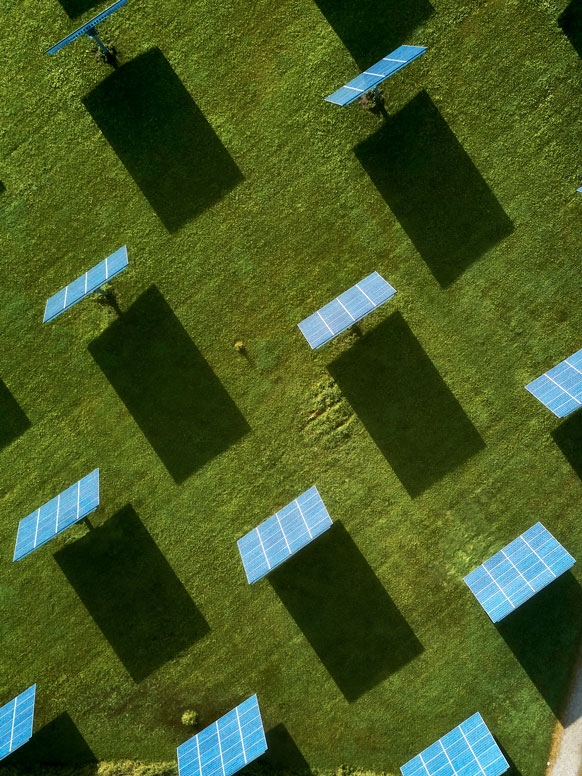

Energy2028 strives toward a Middlebury campus fueled entirely by locally produced renewable energy—less energy, used more efficiently— an institutional endowment that thrives without fossil-fuel investments, and climate education that reaches all corners of campus.
Since our launch in 2019, we have seen the intense effort of so many people in this community who are working to make its goals a reality, and who continue this effort every day—in classrooms, across our campuses, and beyond.
As we continue to work towards our goals, we encourage you to find out what’s happening with our four commitments and get involved!
Our Four Commitments: Find Out What's Happening
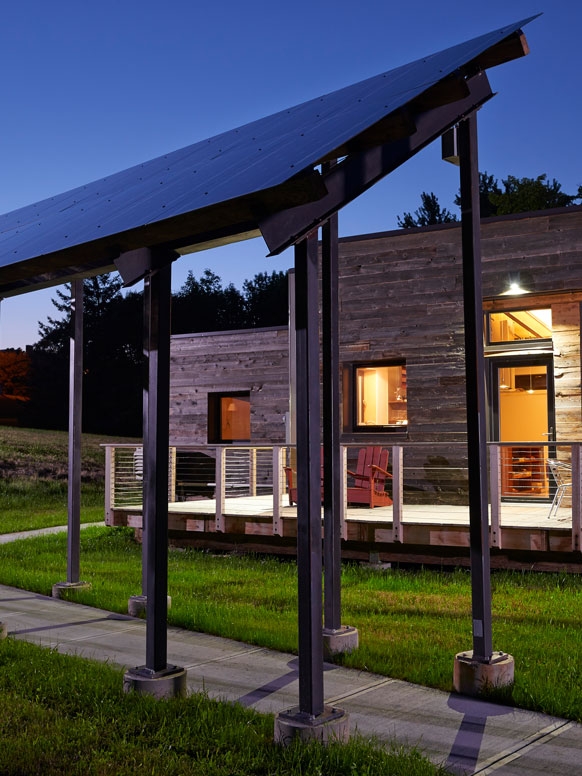
25% Less Energy
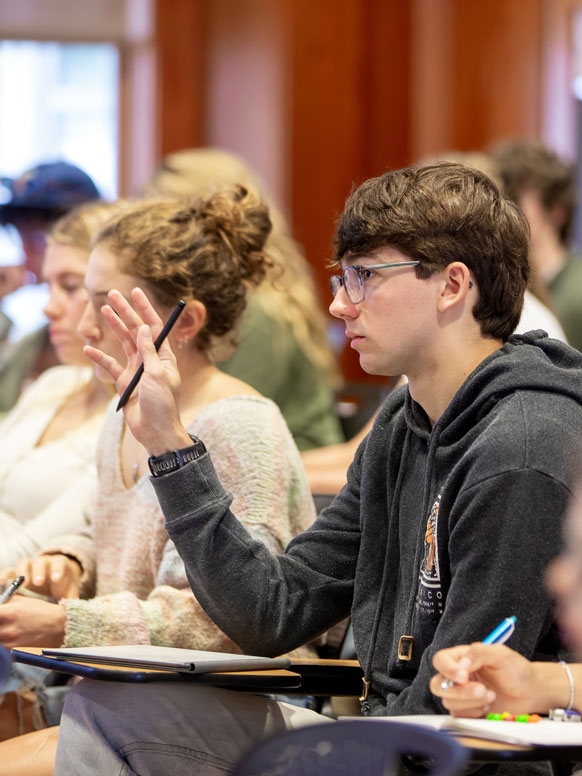
Education
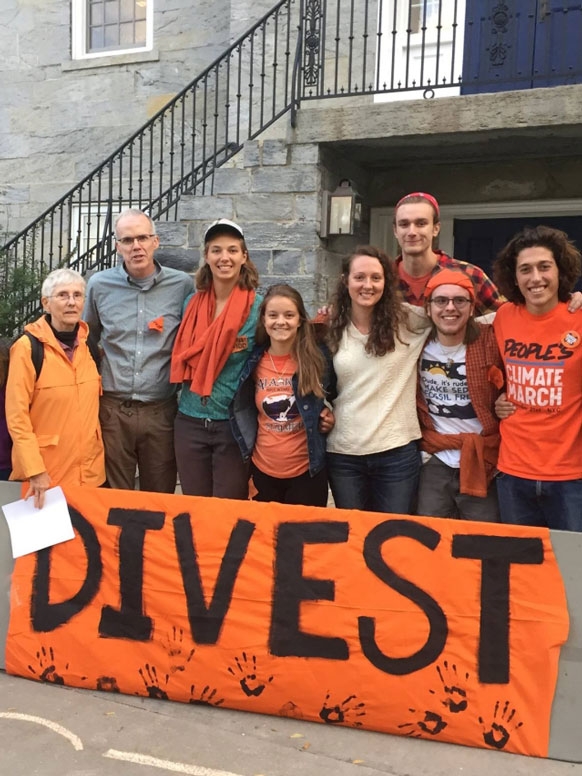
Divestment
Latest Snapshot
Here’s a quick look at our conservation and efficiency projects spanning 2007 to 2024:
136
Projects Completed
$2751440
Net Cost of Projects
2.3
Payback in Years
3812
Tons of Carbon Saved Per Year
Get Involved!
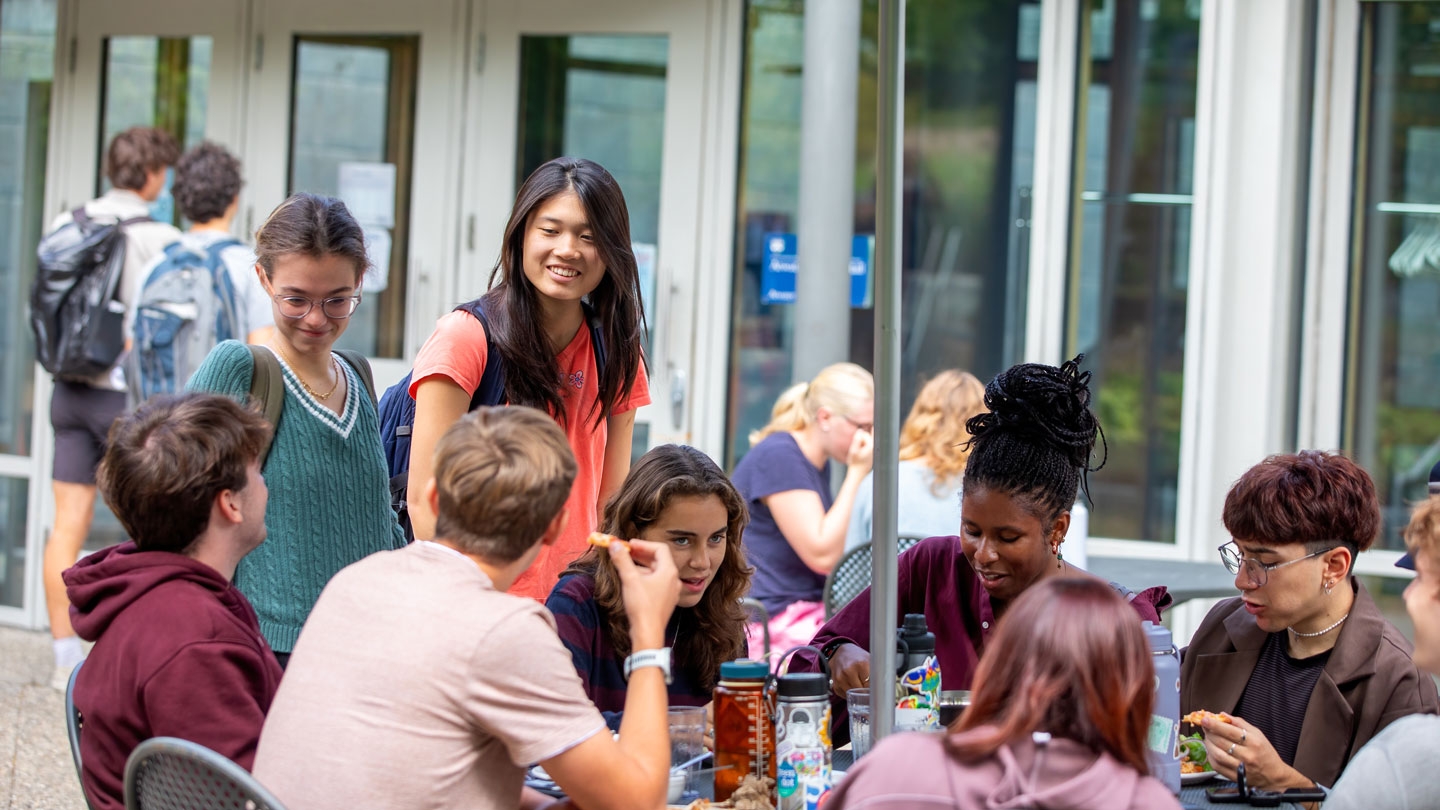
The climate crisis affects us all—and we all can be part of the solution! Explore some of the actions that you can take to feel empowered, make a difference, and contribute to achieving the Energy2028 goals.
Latest News
More newsEducational Integration, Justice
Students turn out to support Green Up Day, collecting trash around Addison County
This past Saturday, Vermont hosted its annual Green Up Day, a statewide effort to clean up Vermont’s roadways and natural spaces. The tradition first started in 1970 after being formalized by the state legislature. Since then, Vermonters have banded together every year on the first Saturday of May to ensure that the state remains as beautiful and green as possible.
EcoReps leads salamander crossing event in an effort to protect local wildlife
On Monday, April 13, more than 25 students braved a damp Vermont evening to help salamanders safely cross the road. Donning jackets and mud boots, participants searched the underbrush for salamanders, frogs and other amphibians, carefully guiding them across Morgan Road in Salisbury.
It’s your planet too
Insurance companies have begun to pull out of entire states. Homeowners in Florida, Louisiana and California have found themselves uninsurable through no fault of their own. Climate-related disasters meant that the actuarial math no longer worked, and the people pricing this risk were not environmental scientists, but insurance analysts and financial modelers — people who might be sitting next to you in Econ class.
We, the members of the Student Government Association (SGA) Environmental Sustainability Committee, want to challenge the assumption that sustainability belongs to one corner of campus. Sustainability is not a specialty: It is the defining context of the world we will be adults in.