


Deep Space Mysteries
Astronomer Eliza Kempton ’03 explains to NPR how she and a team of researchers used the James Webb Space Telescope to discover that a long-mysterious “mini-Neptune” planet has a shiny, reflective surface.
Astronomer Eliza Kempton ’03 explains to NPR how she and a team of researchers used the James Webb Space Telescope to discover that a long-mysterious “mini-Neptune” planet has a shiny, reflective surface.

Hannah Ennis ’23.5, an environmental justice major, has been awarded a $10,000 Projects for Peace grant to conduct artistic workshops focused on sustainable conflict transformation techniques.

Content created by artificial intelligence (AI) has great potential for spreading disinformation, writes Barbara Hofer, psychology professor emerita.
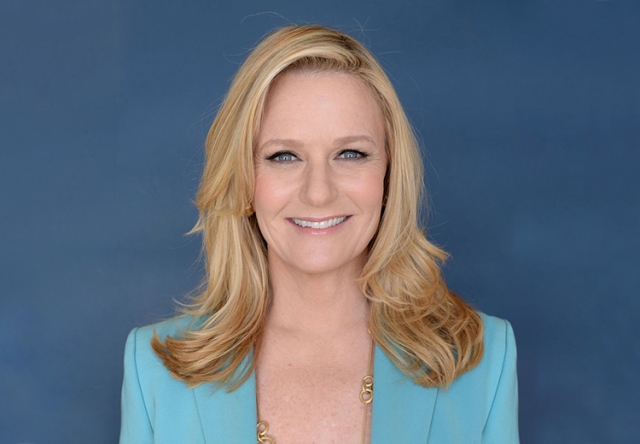
The Midd Moment podcast starts its third season with Anne Rimoin ’92 joining President Laurie Patton to discuss what it takes to be on the front lines as an emerging infectious disease researcher.
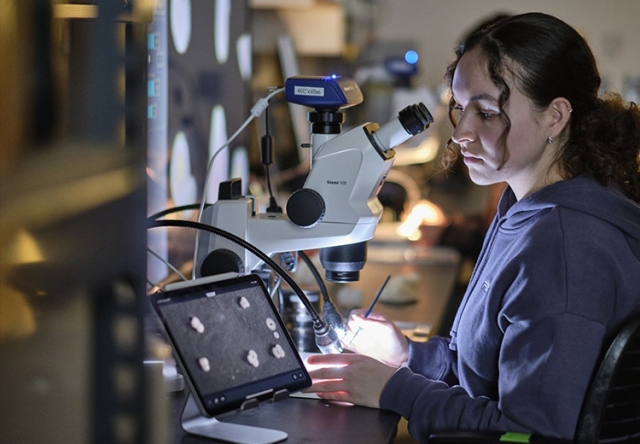
Middlebury is one of 104 colleges and universities to receive a six-year grant from the Howard Hughes Medical Institute to support initiatives that foster more inclusive and equitable introductory education in the STEM fields: science, technology, engineering, and math.
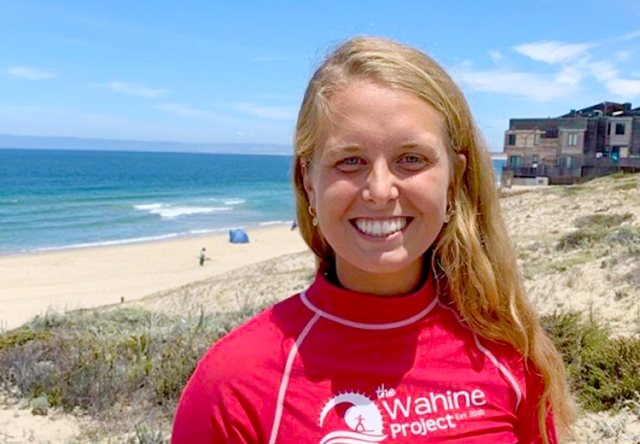
Madison Springfield MAIEP ’22 has found scuba diving to be an important way to commune with nature as well as inform her work in marine conservation and environmental policy.
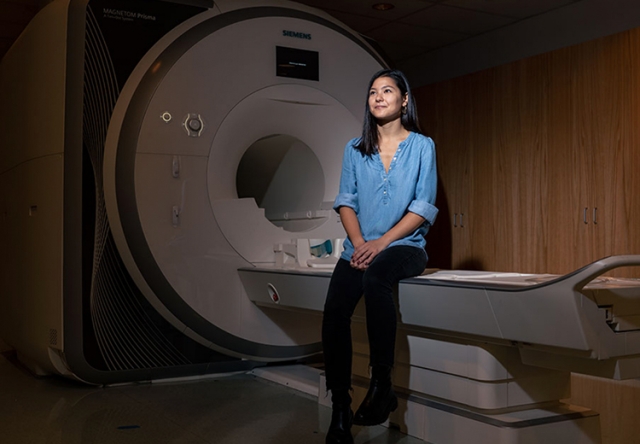
Elle Murata ’17 shared her dual experience as a patient and researcher in a TEDx talk about the treatment of women in health care.

U.S. Representative Sean Casten ’93 (IL- 06) spoke about his work on energy efficiency on March 6 as a part of the Global Sustainability Alums Speaker Series, reports the Middlebury Campus.

“Forever chemicals,” PFAS, have been found in period underwear marketed as nontoxic and organic, surprising many people, including environmental health researcher Shruthi Mahalingaiah ’98.