
Faculty and Staff
Department Chair

Joyce Mao
Professor of History
- Email:
- jmao@middlebury.edu
- Tel:
- (802) 443-5359
- Office:
- Axinn Center 238
- Office Hours:
- Fall 2026: W 1-3 and Th 2-3
Academic Coordinator

Sheerya Berg
Academic Coordinator: Departments of History and Film & Media Culture
- Email:
- shberg@middlebury.edu
- Tel:
- (802) 443-3190
- Office:
- Axinn Center 210
- Office Hours:
- Axinn 210: Monday-Friday 10am-2pm and by appointment Remote: Monday-Friday 8:15am-10am and 3:15pm-5:15pm
History Faculty

Febe Armanios
Philip Battell and Sarah Frances Cowles Stewart Professor of History
- Email:
- farmanios@middlebury.edu
- Tel:
- (802) 443-5212
- Office:
- Axinn Center 340
- Office Hours:
- Fall 2026: Wednesday noon-3:00pm and by appointment

Ian Barrow
A. Barton Hepburn Professor of History
- Email:
- ibarrow@middlebury.edu
- Tel:
- (802) 443-2554
- Office:
- 115 Franklin, Office 201
- Office Hours:
- Fall 2026: Monday 10:30am-12:30pm, Tuesday 10:45am-11:45am, and by appointment
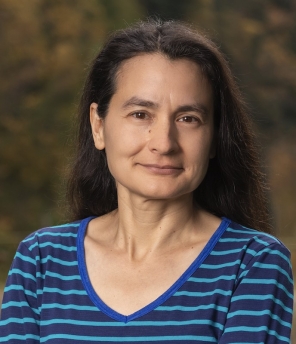
Rebecca Bennette
Professor of History
- Email:
- rbennett@middlebury.edu
- Tel:
- (802) 443-5853
- Office:
- Axinn Center 333
- Office Hours:
- Fall 2026: Tuesday 10:30am-12:15pm, Thursday 4:15pm-5:30pm, and by appointment
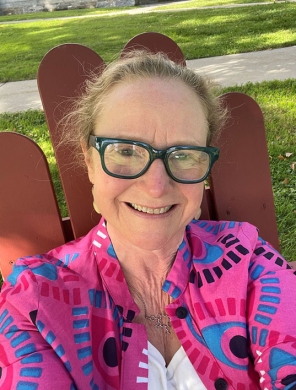
Louisa Burnham
Professor of History
- Email:
- lburnham@middlebury.edu
- Tel:
- (802) 443-3412
- Office:
- Axinn Center 332
- Office Hours:
- On Leave Academic Year 2024 - 2025
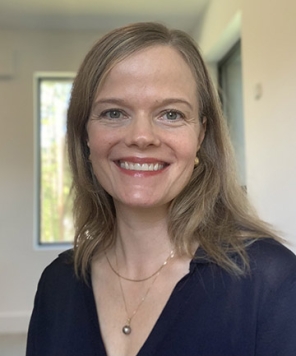
Maggie Clinton
Associate Professor of History
- Email:
- mclinton@middlebury.edu
- Tel:
- (802) 443-5648
- Office:
- Axinn Center 237
- Office Hours:
- On leave academic year 2026-2027

Evan Fernandez
Assistant Professor of History
- Email:
- efernandez@middlebury.edu
- Office:
- Axinn Center 339
- Office Hours:
- Fall 2026: Monday 3:30-5:00pm, Wednesday 10:00am-11:30am, and by appointment

Elsa Mendoza
Assistant Professor of History
- Email:
- emendoza@middlebury.edu
- Tel:
- (802) 443-4011
- Office:
- Axinn Center 328
- Office Hours:
- On Leave Academic Year 2026-2027
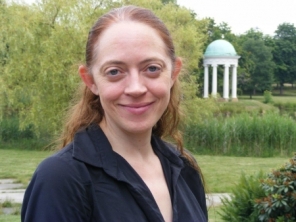
Rebecca Mitchell
Associate Professor of History
- Email:
- rmitchell@middlebury.edu
- Tel:
- (802) 443-3292
- Office:
- Axinn Center 239
- Office Hours:
- Fall 2026: Tuesday and Thursday 10:45am-12:15pm and by appointment
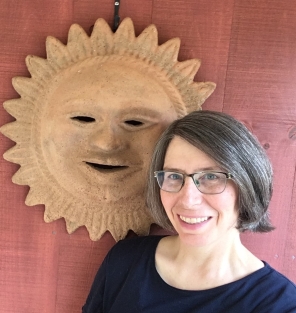
Kathryn Morse
John C Elder Prof of Environmental Studies; Prof of History
- Email:
- kmorse@middlebury.edu
- Tel:
- (802) 443-2436
- Office:
- Axinn Center 240
- Office Hours:
- Sign up on calendly: https://calendly.com/kathrynmorse/fall-2026-office-hours-prof-morse

Amy Morsman
Professor of History; Director, Ctr. for Teaching, Learning and Research, First-Year Seminar Director
- Email:
- amorsman@middlebury.edu
- Tel:
- (802) 443-3223
- Office:
- Davis Family Library 225A
- Office Hours:
- Spring 2026: Tuesday, 10:00am-11:30am; Friday, 11am-12:30pm; or by appointment. In LIB 225A - the CTLR

Lana Povitz
Associate Professor of History
- Email:
- lpovitz@middlebury.edu
- Office:
- Axinn Center 329
- Office Hours:
- On leave academic year 2026-2027

Jim Ralph
Rehnquist Professor of American History and Culture
- Email:
- ralph@middlebury.edu
- Tel:
- (802) 443-5320
- Office:
- Axinn 331
- Office Hours:
- Fall 2026: Tuesday 10:00am-11:30am, Wednesday 11:00am-11:30am, Friday 10:45am-11:45am, and by appointment

Jennifer Strtak
Visiting Assistant Professor of History
- Email:
- jstrtak@middlebury.edu
- Tel:
- (802) 443-6272
- Office:
- Axinn 335
- Office Hours:
- Fall 2026: Thursday 10am-1pm and by appointment: https://calendly.com/jstrtak-middlebury

Jacob Tropp
John Spencer Professor of African Studies
- Email:
- jtropp@middlebury.edu
- Tel:
- (802) 443-3250
- Office:
- Axinn Center 341
- Office Hours:
- Fall 2026: Tuesday and Thursday 3:45pm-5:00pm and by appointment

Max Ward
Professor of History
- Email:
- maxw@middlebury.edu
- Tel:
- (802) 443-5682
- Office:
- Axinn Center 342
- Office Hours:
- Fall 2025: Tuesday 11:30-12:30; Online Wednesday 3:00-5:00 and by appointment
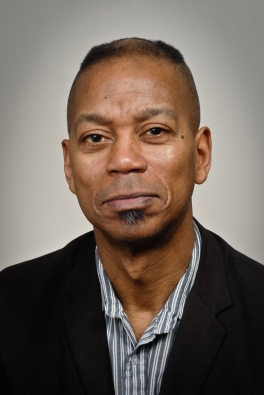
Don Wyatt
John M. McCardell, Jr. Distinguished Professor of History
- Email:
- wyatt@middlebury.edu
- Tel:
- (802) 443-5548
- Office:
- Axinn Center 343
- Office Hours:
- Fall 2026: Wednesday 10:00am-11:30am, Thursday 4:00pm-5:00pm, and by appointment
Emeriti

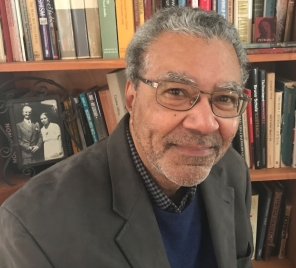
William Hart
Professor Emeritus of History
- Email:
- hart@middlebury.edu
- Tel:
- (802) 443-5867
- Office:
- Hesselgrave House 221
Travis Jacobs
Fletcher D. Proctor Professor Emeritus of American History
- Email:
- tjacobs@middlebury.edu
- Office:
- Davis Family Library 353
Marjorie Lamberti
Charles A. Dana Professor Emerita of History
- Email:
- lamberti@middlebury.edu
- Office:
- Davis Family Library 354
- Office Hours:
- Office hours by appointment

John McCardell
President Emeritus; College Professor Emeritus

Paul Monod
A. Barton Hepburn Prof. Emeritus of History
- Email:
- monod@middlebury.edu
- Tel:
- (802) 443-5041
- Office:
- Davis Library 356
- Office Hours:
- Available by appointment; Davis Family Library - 356 Faculty Study
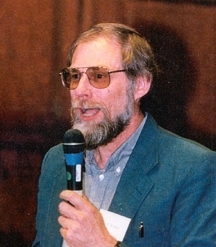
Neil Waters
Kawashima Emeritus Professor of History and Japanese Studies
- Email:
- nwaters@middlebury.edu