
Faculty and Staff
Program Director
International Politics & Economics Director

Gary Winslett
Johnson Fellow in Modern Political Thought; Asso. Prof., Political Science
- Email:
- gwinslett@middlebury.edu
- Tel:
- (802) 443-5651
- Office:
- Munroe Hall 316
- Office Hours:
- Spring 2026: Wednesdays 12:00-2:00;Thursdays 12:45-1:45, and by appointment
Affiliate Faculty

Cihan Artunc
Associate Professor of Economics
- Email:
- cartunc@middlebury.edu
- Tel:
- (802) 443-2144
- Office:
- Warner 309
- Office Hours:
- SPRING 2026: Tuesday 3:00-5:00 PM (ECON 0150A), Wednesday 2:00-3:00 PM (ECON 0468), or by appointment

Julia Berazneva
Associate Professor of Economics
- Email:
- jberazneva@middlebury.edu
- Tel:
- (802) 443-5529
- Office:
- Warner 303
- Office Hours:
- ON LEAVE AY 2025-2026

Erik Bleich
Charles A. Dana Professor of Political Science and Department Chair
- Email:
- ebleich@middlebury.edu
- Tel:
- (802) 443-3254
- Office:
- Munroe Hall 301
- Office Hours:
- Spring 2026: Mondays 11:00-12:30; Wednesdays 3:30-5:00, and by appointment

Tanya Byker
Associate Professor of Economics
- Email:
- tbyker@middlebury.edu
- Tel:
- (802) 443-5837
- Office:
- Warner 311
- Office Hours:
- SPRING 2026: Monday 8:15-9:15 AM in WNS 311 and 1:00-3:00 PM in WNS 100; Friday 11:00 AM-1:00 PM in WNS 311; or by appointment

Keegan Callanan
Associate Professor of Political Science
- Email:
- kcallanan@middlebury.edu
- Tel:
- (802) 443-5374
- Office Hours:
- By appointment
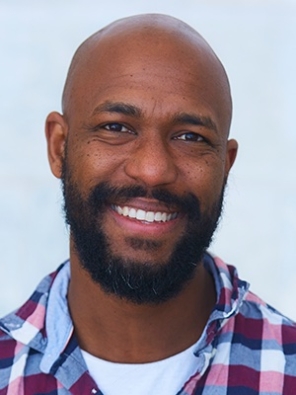
Kemi Fuentes-George
Professor of Political Science
- Email:
- kgeorge@middlebury.edu
- Tel:
- (802) 443-5574
- Office:
- Robert A. Jones B03A
- Office Hours:
- Spring 2026: Tuesday 11:00am - 12:30pm, Friday 9:10am - 10:40am and by appointment.

Raphaelle Gauvin-Coulombe
Assistant Professor of Economics
- Tel:
- (802) 443-3150
- Office:
- Warner 110
- Office Hours:
- Spring 2026: Monday 9:30AM-11:15AM and Thursday 2:45PM-4:00PM

Erick Gong
Professor of Economics
- Email:
- egong@middlebury.edu
- Tel:
- (802) 443-5553
- Office:
- Warner 314
- Office Hours:
- Spring 2026: Monday (1:40-3:00 pm), Tuesday & Thursdays (2:10-3:00).

Amanda Gregg
Associate Professor of Economics
- Email:
- agregg@middlebury.edu
- Tel:
- (802) 443-3419
- Office:
- Warner 316
- Office Hours:
- ON LEAVE AY 2025-26

Sebnem Gumuscu
Associate Professor of Political Science
- Email:
- sgumuscu@middlebury.edu
- Tel:
- (802) 443-5393
- Office:
- Robert A. Jones '59 House 107
- Office Hours:
- Fall 2025: Monday - Wednesday 2:30-4:00 PM, and by appointment

Nadia Horning
Professor of International and Global Studies
- Email:
- nhorning@middlebury.edu
- Tel:
- (802) 443-3428
- Office:
- Robert A. Jones '59 House, 118
- Office Hours:
- Fall 2025: Thursday 2-4, Friday 11-noon, or by appointment

Jon Isham
Prof of Economics/Environmental Studies
- Email:
- jisham@middlebury.edu
- Tel:
- (802) 443-5761
- Office:
- Hillcrest 217
- Office Hours:
- Spring 2026: Wednesday 4:00 - 5:30 PM and Thursday 10:30 AM - 12:00 PM via Calendly and by appointment

Bert Johnson
Professor of Political Science
- Email:
- bnjohnso@middlebury.edu
- Tel:
- (802) 443-5399
- Office:
- Munroe Hall 304
- Office Hours:
- On Leave Academic Year 25-26

Michael Kraus
Frederick C. Dirks Professor Emeritus of Political Science
- Email:
- kraus@middlebury.edu
- Tel:
- (802) 443-5306
- Office:
- FIC 214
- Office Hours:
- RETIRED
Orion Lewis
Associate Professor of Political Science
- Email:
- olewis@middlebury.edu
- Tel:
- (802) 443-5479
- Office:
- Voter Hall 109
- Office Hours:
- By appointment

Jeffrey Lunstead
Diplomat in Residence
- Email:
- jlunstea@middlebury.edu
- Tel:
- (802) 443-5960
- Office:
- Robert A. Jones '59 House 117
- Office Hours:
- Fall 2025: Tuesday 2:00-4:00, Wednesday 11:00-1:00, and by appointment or chance

John Maluccio
Professor of Economics
- Email:
- jmalucci@middlebury.edu
- Tel:
- (802) 443-5941
- Office:
- Warner 018
- Office Hours:
- SPRING 2026: ON LEAVE

Peter Matthews
Charles A. Dana Professor of Economics
- Email:
- pmatthew@middlebury.edu
- Tel:
- (802) 443-5591
- Office:
- Warner 302
- Office Hours:
- SRING 2026: Tuesday 3:00-5:00, Wednesday 11:00-12:00, or by appointment

David Munro
Associate Professor of Economics
- Email:
- dmunro@middlebury.edu
- Tel:
- (802) 443-5859
- Office:
- Warner 306
- Office Hours:
- ON LEAVE - meetings by appointment

Obie Porteous
Associate Professor of Economics
- Email:
- oporteous@middlebury.edu
- Tel:
- (802) 443-5550
- Office:
- Warner 313
- Office Hours:
- SPRING 2026: Monday 3:30-5:00 PM; Wednesday 1:30-3:00 PM; or by appointment

Will Pyle
Frederick C. Dirks Professor of International Economics
- Email:
- wpyle@middlebury.edu
- Tel:
- (802) 443-3240
- Office:
- Warner 312
- Office Hours:
- Spring 2026 Tuesday 1:15 PM - 2:45 PM, Thursday 10:30 AM - 12:00 PM and 1:15 PM - 2:45 PM, or by appointment.
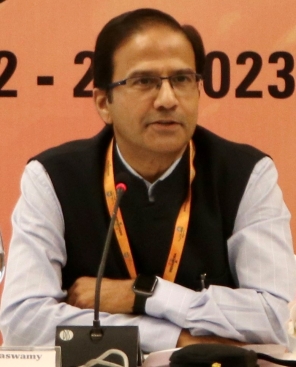
Sunder Ramaswamy
Distinguished College Professor of International Economics, Director of International and Global Studies
- Tel:
- (802) 443-5442
- Office:
- Robert A. Jones House 113
- Office Hours:
- Tuesday 1:00 pm - 2:00 pm and Thursday 11:00 AM-12:00 PM; or by appointment.
Akhil Rao
Assistant Professor of Economics
- Email:
- akhilr@middlebury.edu
- Tel:
- (802) 443-2192
- Office:
- Warner 307
- Office Hours:
- ON LEAVE

Kristina Sargent
Assistant Professor of Economics
- Email:
- kristinas@middlebury.edu
- Tel:
- (802) 443-5226
- Office:
- Warner 111
- Office Hours:
- Spring 2026: Monday 2- 3 PM, Wednesday 3-4 PM, Friday 1-2 PM, or by appointment.

Paul Sommers
Paige-Wright Professor of Economics
- Email:
- psommers@middlebury.edu
- Tel:
- (802) 443-5325
- Office:
- Munroe Hall 308
- Office Hours:
- SPRING 2026: Monday 1:00-3:00 PM, Tuesday 8:45-9:15 AM and 1:00-3:00 PM, Wednesday 1:00-3:00 PM, Thursday 8:45-9:15 AM and 1:00-3:00 PM, other times by chance or by appointment
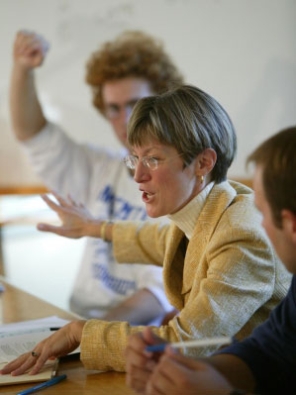
Allison Stanger
Middlebury Distinguished Endowed Professorship Provost's Office
- Email:
- stanger@middlebury.edu
- Tel:
- (802) 443-5023
- Office:
- G. Painter Hall 203
- Office Hours:
- By appointment

Sarah Stroup
Director, KWD Collaborative in Conflict Transformation, Frederick C. Dirks Professor of Political Science
- Email:
- sstroup@middlebury.edu
- Tel:
- (802) 443-3276
- Office:
- Munroe 313
- Office Hours:
- On Leave Academic Year 25-26

Jessica Teets
Professor of Political Science
- Email:
- jteets@middlebury.edu
- Tel:
- (802) 443-5528
- Office:
- Munroe Hall 305
- Office Hours:
- On Leave Academic Year 25-26

Ajay Verghese
Associate Professor of Political Science
- Email:
- averghese@middlebury.edu
- Tel:
- (802) 443-3096
- Office:
- Munroe Hall 302
- Office Hours:
- Spring 2026: Mondays 2:00-4:00PM and Wednesdays 2:00-3:00PM, and by appointment
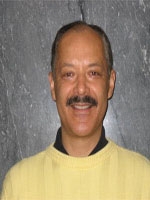
Mark Williams
Russell J. Leng '60 Professor of International Politics and Economics
- Email:
- mwilliam@middlebury.edu
- Tel:
- (802) 443-5195
- Office:
- Robert A. Jones '59 House 112
- Office Hours:
- Fall 2025: Monday 2:00-4:00, Wednesday 4:00-5:00, and by appointment
Gary Winslett
Johnson Fellow in Modern Political Thought; Asso. Prof., Political Science
- Email:
- gwinslett@middlebury.edu
- Tel:
- (802) 443-5651
- Office:
- Munroe Hall 316
- Office Hours:
- Spring 2026: Wednesdays 12:00-2:00;Thursdays 12:45-1:45, and by appointment

Erin Wolcott
Associate Professor of Economics
- Email:
- wolcott@middlebury.edu
- Tel:
- (802) 443-5581
- Office:
- Warner 109
- Office Hours:
- ON LEAVE AY 2025-26

Phani Wunnava
David K. Smith Professor of Applied Economics
- Email:
- wunnava@middlebury.edu
- Tel:
- (802) 443-5024
- Office:
- Warner 315
- Office Hours:
- FALL 2025: Monday and Wednesday 3:00-4:00 PM, or by appointment. Office Hours specifically for ECON 701B students will be held Monday and Wednesday 1:45-2:25 PM

Amy Yuen
Professor of Political Science
- Email:
- ayuen@middlebury.edu
- Tel:
- (802) 443-5621
- Office:
- Munroe Hall 312
- Office Hours:
- Spring 2026 Office Hours: Mondays 8:00-9:00 am (drop-in), Tuesdays 8:00-9:00 am (ZOOM Appointment Only) and Fridays 12:30-1:30 pm (drop-in), or by appointment
Academic Coordinator

Heidi Sullivan
Academic Coordinator: IGS, IP&E, Literary Studies
- Email:
- hsullivan@middlebury.edu
- Tel:
- (802) 443-2603
- Office:
- Monroe Hall 118
- Office Hours:
- Work hours: 7:30 am - 3:45 pm, remote Wednesdays & Fridays