
Faculty and Staff
Program Director
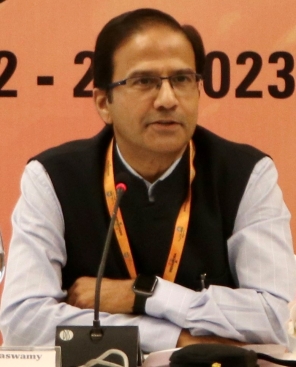
Sunder Ramaswamy
Distinguished College Professor of International Economics, Director of International and Global Studies
South Asian Studies - Fall 2025
- Tel:
- (802) 443-5442
- Office:
- Robert A. Jones House 113
- Office Hours:
- Monday and Wednesday 10:00 AM-11:00 AM; or by appointment.
Track Directors
The Program in International and Global Studies draws faculty from departments and programs across the College. Below you will find the current track director of each of the 11 areas of specialization that make the international and global studies major.
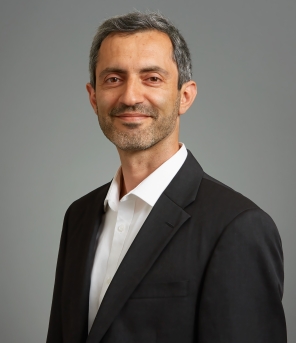
Ata Anzali
Associate Professor of Religion
Middle East & North African Studies
- Email:
- aanzali@middlebury.edu
- Tel:
- (802) 443-5759
- Office:
- Munroe Hall 211
- Office Hours:
- Spring 2026: Tuesday, 11am-12:30pm; Thursday, 2:30pm-4pm; or by appointment

Kristin Bright
Associate Professor of Anthropology
South Asian Studies - beginning January 2026
- Email:
- kbright@middlebury.edu
- Tel:
- (802) 443-2236
- Office:
- Munroe Hall 121
- Office Hours:
- Spring 2026: Tuesday and Thursday, 11:15am-12:15pm and 2:15pm-2:45pm; or by appointment

Natalie Eppelsheimer
Professor of German
European Studies
- Email:
- eppelshe@middlebury.edu
- Tel:
- (802) 443-5238
- Office:
- FIC 225
- Office Hours:
- Spring 2026: Monday 3:30-4:30 p.m., Friday 8:30-9:30 a.m. and by appointment.
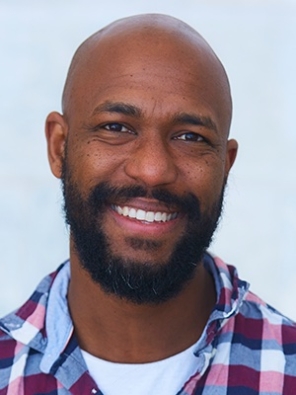
Kemi Fuentes-George
Professor of Political Science
Global Environmental Change, Global Gender & Sexuality Studies
- Email:
- kgeorge@middlebury.edu
- Tel:
- (802) 443-5574
- Office:
- Robert A. Jones B03A
- Office Hours:
- Spring 2026: Tuesday 11:00am - 12:30pm, Friday 9:10am - 10:40am and by appointment.

Shinkyu (James) Lee
Visiting Assistant Professor of International and Global Studies
Global Migration and Diaspora Studies
- Email:
- jl19@middlebury.edu
- Office:
- Munroe Hall 102
- Office Hours:
- Tuesdays & Thursdays 11:15AM–12:15PM and 2:30–3:00PM

Amit Prakash
Vis. Assistant Professor of Global Studies; Dir. of RGF Program
Global Security Studies
- Email:
- amitprakash@middlebury.edu
- Tel:
- (802) 443-5066
- Office:
- Robert A. Jones '59 House 110
- Office Hours:
- Mondays, 9:30am – 12:30pm

Will Pyle
Frederick C. Dirks Professor of International Economics
Russian, East European and Eurasian Studies
- Email:
- wpyle@middlebury.edu
- Tel:
- (802) 443-3240
- Office:
- Warner 312
- Office Hours:
- Spring 2026 Tuesday 1:15 PM - 2:45 PM, Thursday 10:30 AM - 12:00 PM and 1:15 PM - 2:45 PM, or by appointment.

Patricia Saldarriaga
Professor of Luso-Hispanic Studies
Latin American and Caribbean Studies
- Email:
- psaldarr@middlebury.edu
- Tel:
- (802) 443-3258
- Office:
- Voter Hall 212
- Office Hours:
- Tuesday 9:30-11:30 AM, Wednesday 12:45-1:45 PM. No office hours the week of March 16 or April 6.

Michael Sheridan
Professor of Anthropology
African Studies
- Email:
- msherida@middlebury.edu
- Tel:
- (802) 443-5582
- Office:
- Munroe Hall 105
- Office Hours:
- Spring 2026: Tuesday, Thursday, and Friday, 8:30am-9:30am; or by appointment

Don Wyatt
John M. McCardell, Jr. Distinguished Professor of History
East Asian Studies
- Email:
- wyatt@middlebury.edu
- Tel:
- (802) 443-5548
- Office:
- Axinn Center 343
- Office Hours:
- Spring 2026: Wednesday 10:30am-12:00pm, Thursday 4:00pm-5:00pm, and by appointment
Faculty

Guntram Herb
Professor of Geography & International and Global Studies
- Email:
- herb@middlebury.edu
- Tel:
- (802) 443-5714
- Office:
- McCardell Bicen Hall 633
- Office Hours:
- Spring '26 Tues & Thur 2:10-3:40pm (MBH 633) and Fri 10:40- 11:10 am (PRS KDE)

Nadia Horning
Professor of International and Global Studies
- Email:
- nhorning@middlebury.edu
- Tel:
- (802) 443-3428
- Office:
- Robert A. Jones '59 House, 118
- Office Hours:
- Fall 2025: Thursday 2-4, Friday 11-noon, or by appointment
Shinkyu (James) Lee
Visiting Assistant Professor of International and Global Studies
- Email:
- jl19@middlebury.edu
- Office:
- Munroe Hall 102
- Office Hours:
- Tuesdays & Thursdays 11:15AM–12:15PM and 2:30–3:00PM
Amit Prakash
Vis. Assistant Professor of Global Studies; Dir. of RGF Program
- Email:
- amitprakash@middlebury.edu
- Tel:
- (802) 443-5066
- Office:
- Robert A. Jones '59 House 110
- Office Hours:
- Mondays, 9:30am – 12:30pm

Jay Shapiro
Adjunct Faculty - Visiting Spring 2024-2026
- Email:
- jays@middlebury.edu
- Office:
- Spring 2026 RAJ BO1
Faculty Advisors
There are numerous courses that count toward the IGST major. Beyond the track directors, many faculty are willing to serve as advisors for IGST students or support our majors in other ways.
Program Coordinator

Heidi Sullivan
Academic Coordinator: IGS, IP&E, Literary Studies
- Email:
- hsullivan@middlebury.edu
- Tel:
- (802) 443-2603
- Office:
- Monroe Hall 118
- Office Hours:
- Work hours: 7:30 am - 3:45 pm, remote Wednesdays & Fridays