
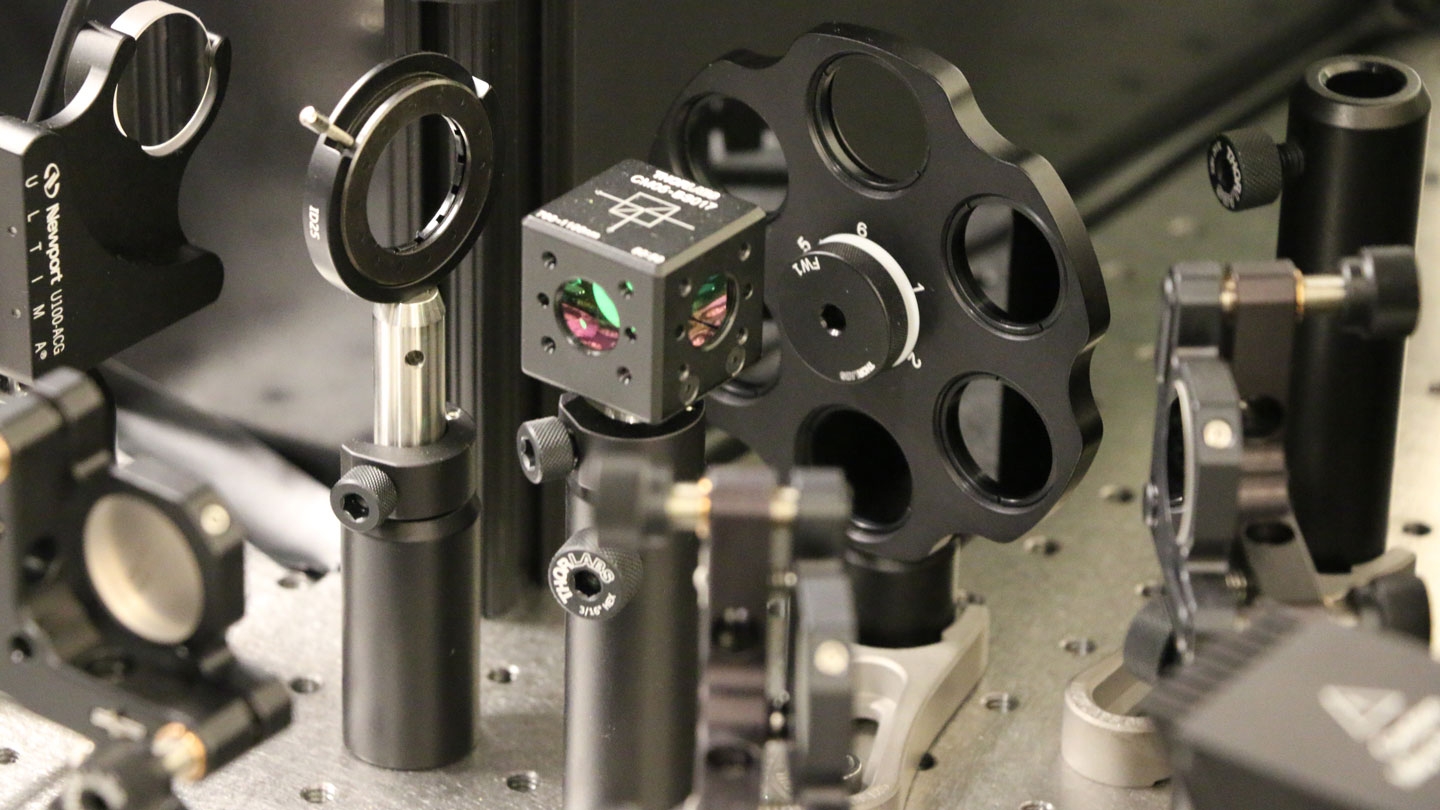
From an active astronomical observatory that is central to the community to state-of-the-art instruments and your own study room for casual interactions, our home in the majestic Bicentennial Hall has everything you need to immerse yourself in the world of physics.
Physics and Astronomy
Physics is the fundamental science, leading to our most basic understanding of the natural world and of human technological achievements.
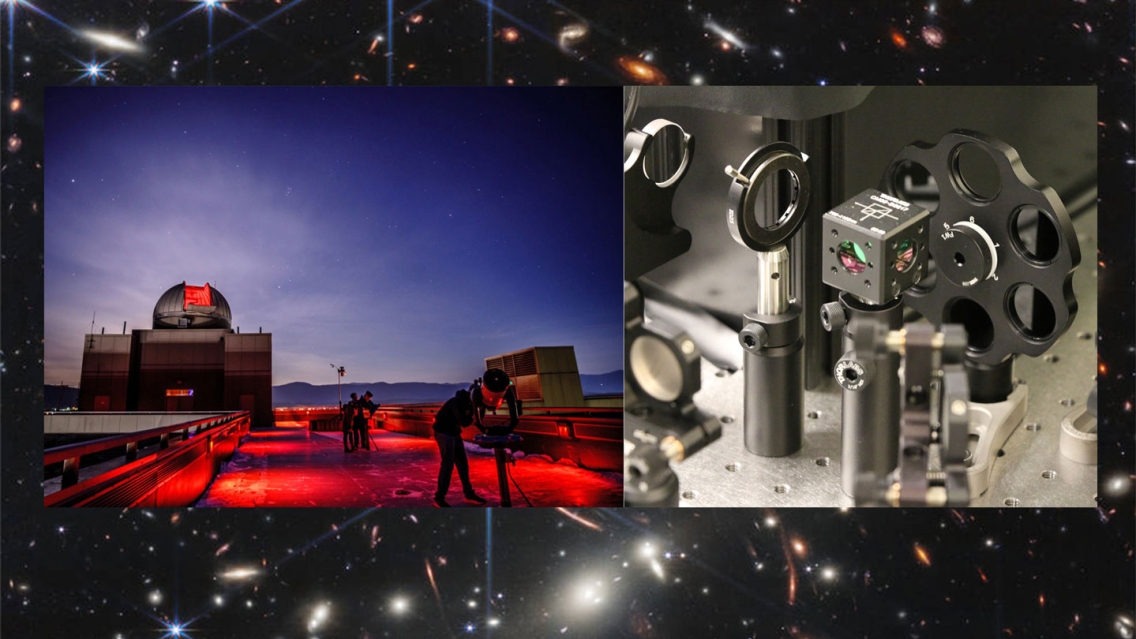
The program is designed to integrate physics and astronomy into the liberal arts curriculum, as well as to provide challenging courses and research opportunities for students majoring in physics. Courses and student research activities in astronomy are an integral part of the physics program.
Course offerings in the Physics and Astronomy Department reflect the needs of three categories of students: (1) those majoring in physics and astronomy; (2) those majoring in another science who need a basic introduction to physics and astronomy and the analytical skills it provides; and (3) those majoring in areas outside the sciences, who seek to explore the concepts of physics with a minimum of mathematics. Laboratory work is emphasized at all levels of our program, from first-year courses through senior thesis work. The Physics and Astronomy Department also conducts weekly “tea times” during the semester so students, faculty, and staff can meet in an informal setting.
Why Study Physics and Astronomy?
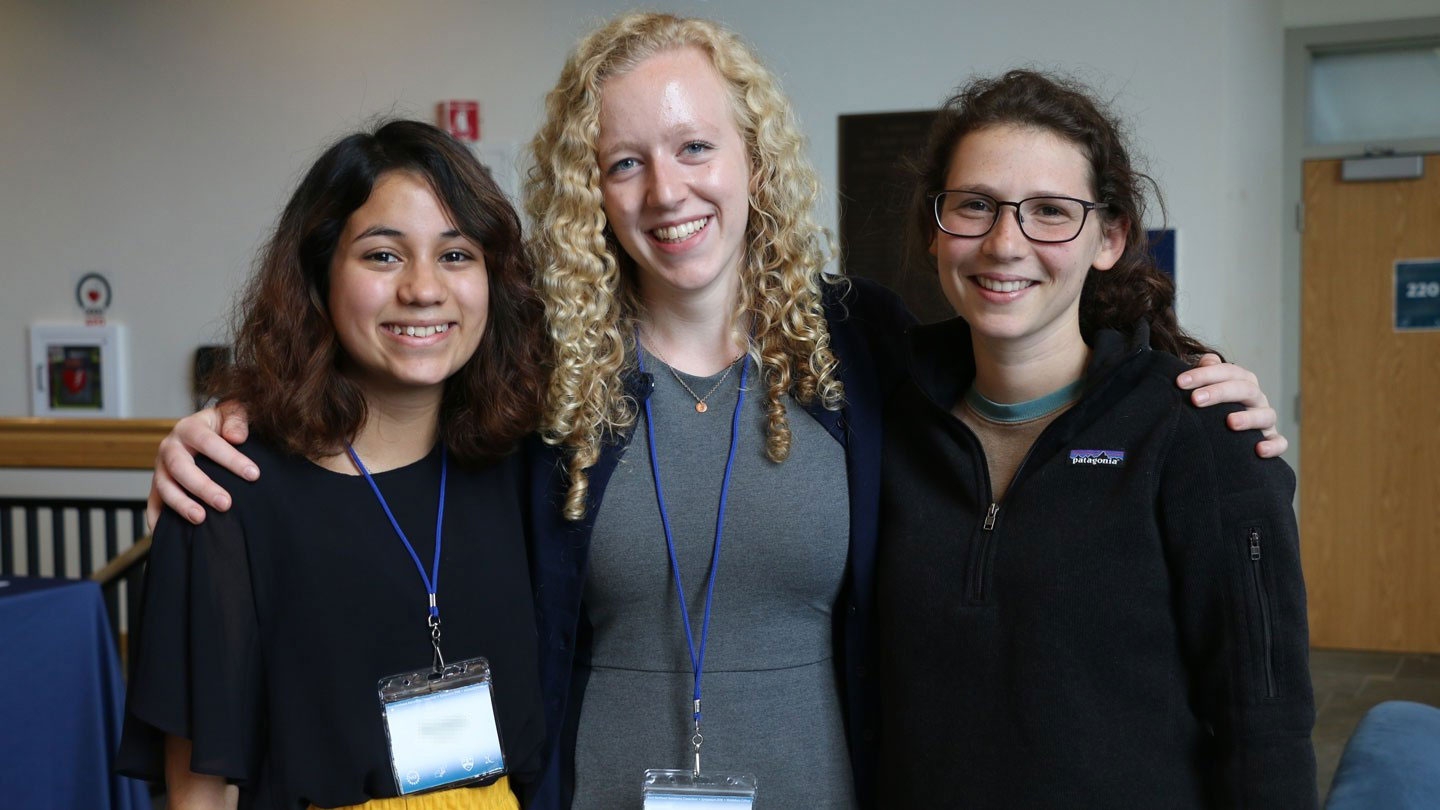
If you’re curious about nature, want to understand the universe from first principles, love math—both abstract and applied—and enjoy tinkering in the lab or constructing rigorous arguments, then you should explore the physics and astronomy major.
Facilities and Equipment
Research Opportunities
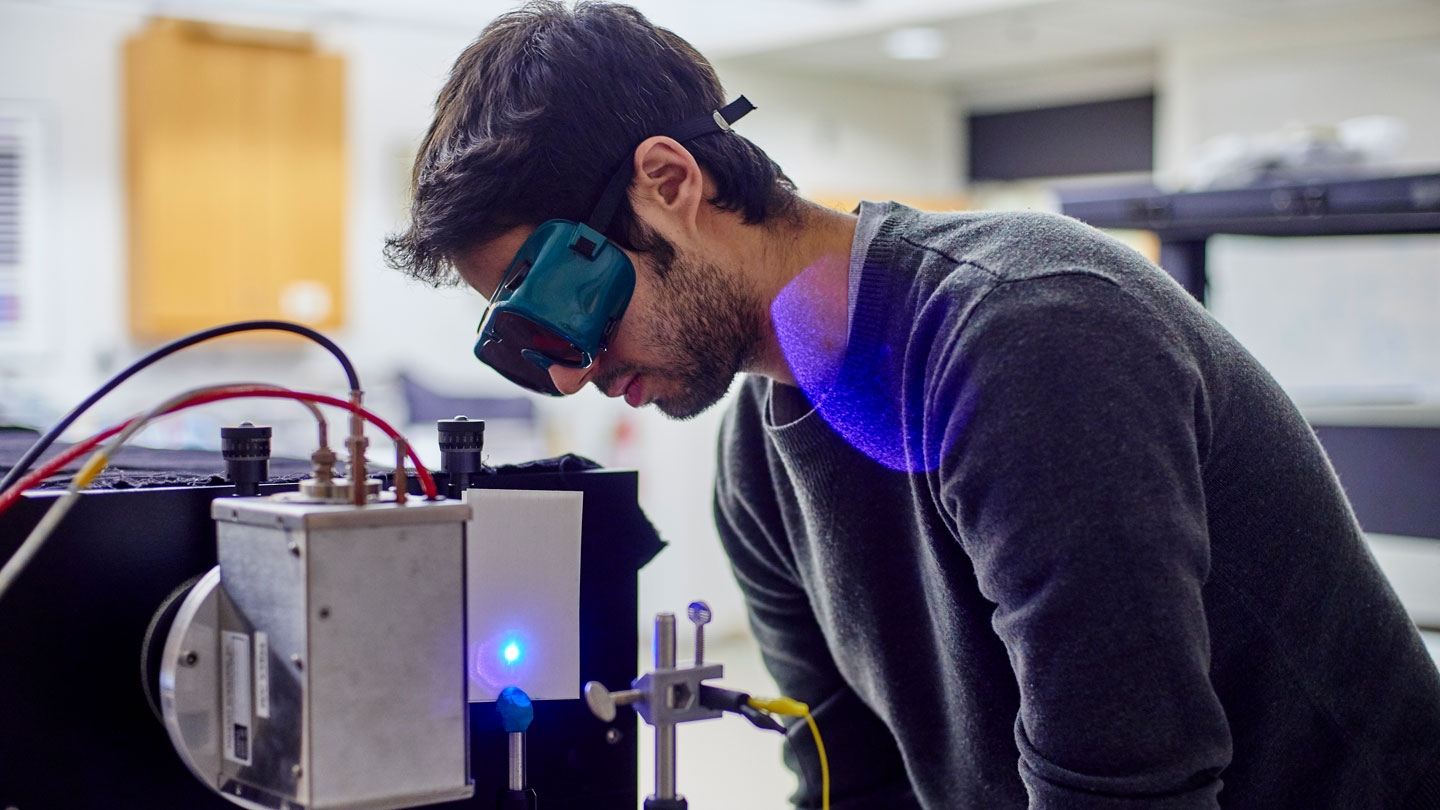
Laboratory work and student research are emphasized at all levels of our program, from first-year courses through senior thesis work. Read more about research.