
The Arts at Middlebury
The visual and performing arts are fundamentally important to the life and culture of Middlebury College.
Our students, faculty, and staff engage with the arts as both creators and viewers. We are painters and sculptors, actors and songwriters; we attend gallery openings and rock concerts. Much of Middlebury’s arts activity resides in the Mahaney Arts Center, but the making and appreciation of art happens everywhere: on campus, in town, throughout New England, and even abroad.
Middlebury is deeply committed to creating a diverse, welcoming community with full and equitable participation for all. At the Mahaney Arts Center, we believe that the arts should be open and accessible to everyone. We invite your engagement in this work that is ongoing and guided by our belief in justice, equity, and diversity.
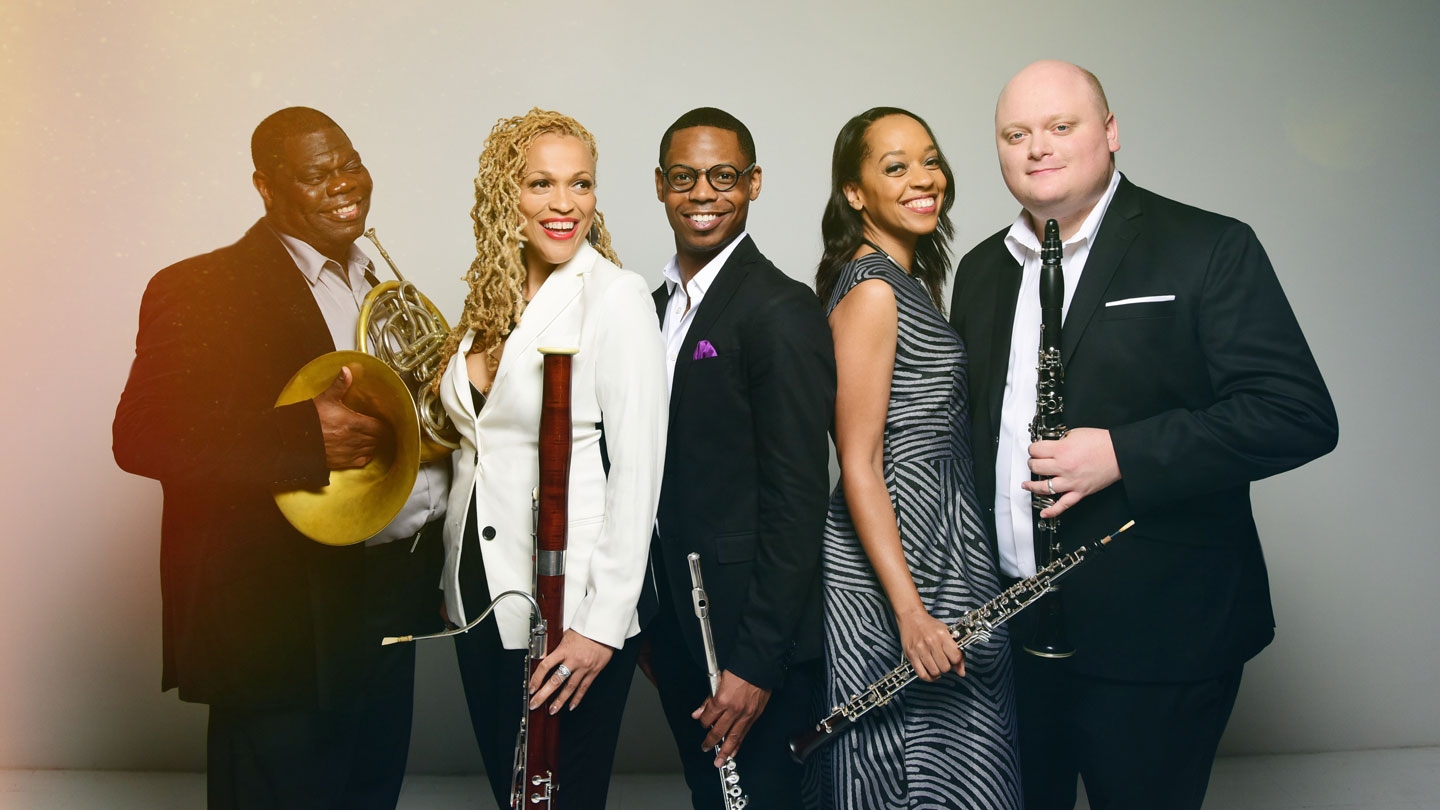
Performing Arts Series
The Performing Arts Series (PAS) presents a diverse spectrum of world-class performances and residencies throughout the year. Pictured, Imani Winds
Our Museum
The Museum of Art is an integral educational and cultural component for the College—and a premier visual arts venue for the broader community.
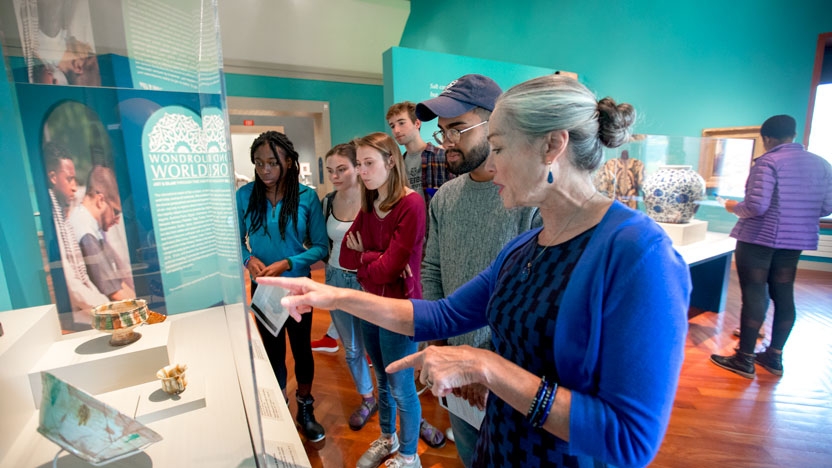
Study the Arts Here
Explore the opportunities for both majors and non-majors to participate in our seven academic arts programs and departments.
-
Architectural Studies
Study the history and theory of architecture with a rigorous sequence of studio courses taught by practicing architects.
-
Art History
Learn how art of many time periods and cultures is made and relates to social, theoretical, and historical issues.
-
Dance
Think. Move. Discover. Embody expertise in the somatic, intellectual, and artistic realms of the dance field.
-
Film and Media Culture
Study audiovisual media as aesthetic forms in relation to the cultures that produced them, and create vibrant original works.
-
Music
Develop skills and knowledge in the creative study and performance of music with a global perspective.
-
Studio Art
Explore drawing, painting, photography, printmaking, and sculpture with a broad array of exciting materials and processes.
-
Theatre
Engage in serious, intensive, and integrated classroom work realized through active production throughout the year.
Digital Stages
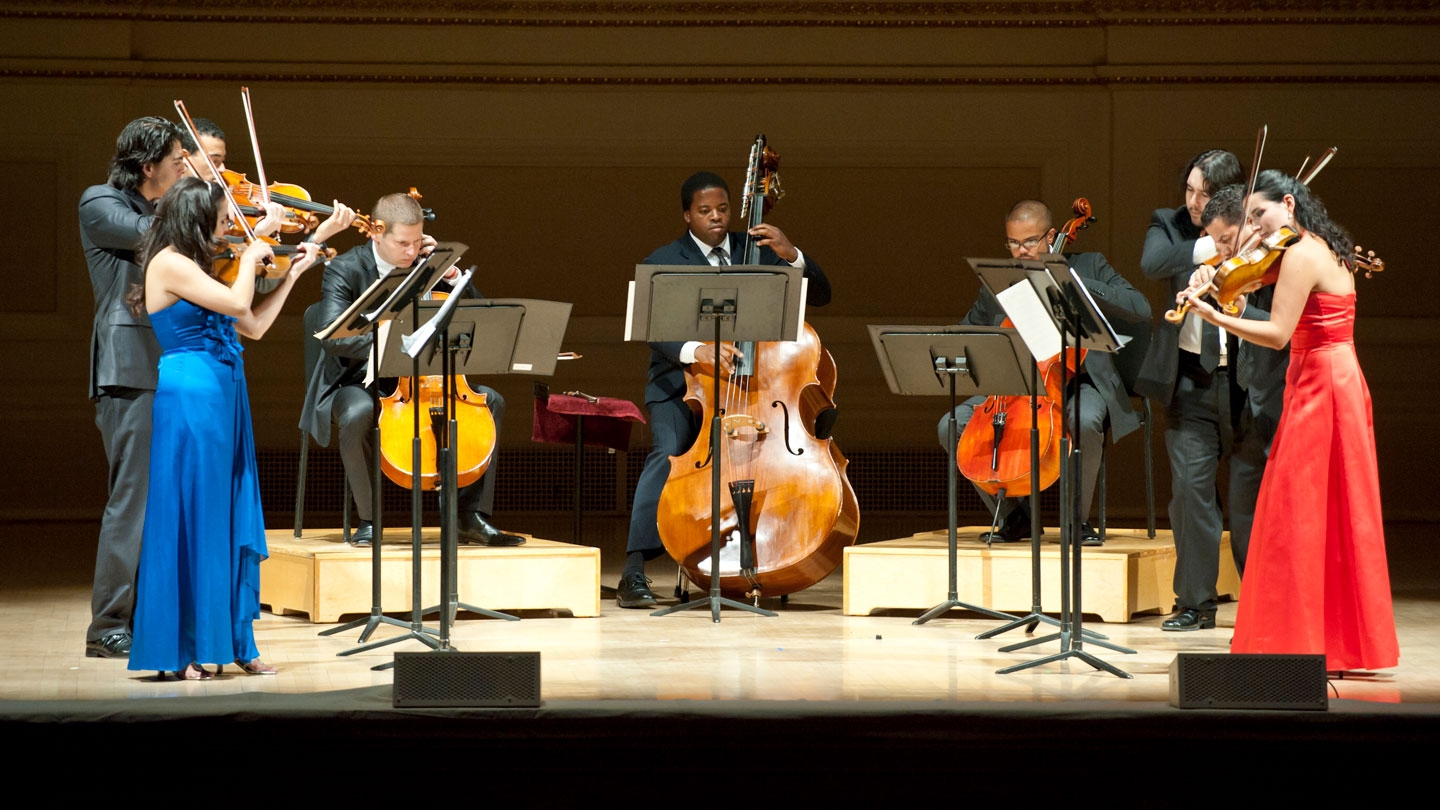
Our online Digital Stages programs provide exclusive performances that you can enjoy from home, such as Sphinx Virtuosi (pictured).
Mahaney Arts Center's 30th Anniversary: Burlington Taiko
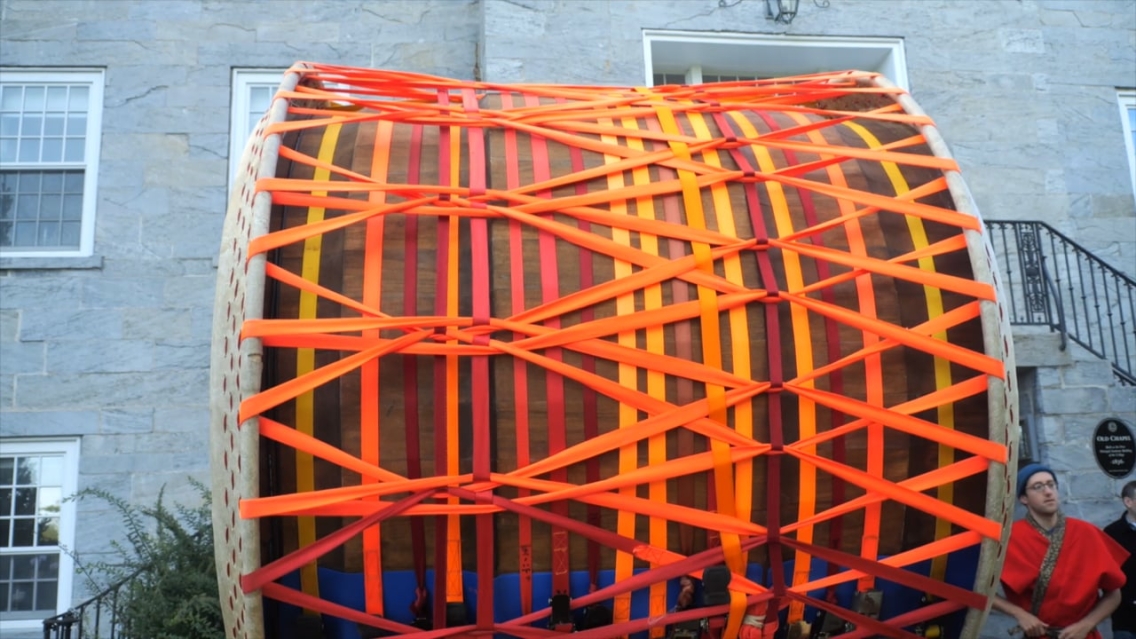
In fall 2022, the Mahaney Arts Center kicked off its 30th anniversary season with a weeklong residency with Burlington Taiko Group. Guest artists visited Middlebury to offer workshops, master classes, a parade from the center of campus, and four public performances on the MAC’s back lawn. Over 1,000 people joined to learn, play, and experience the powerful, propulsive energy of Taiko.