
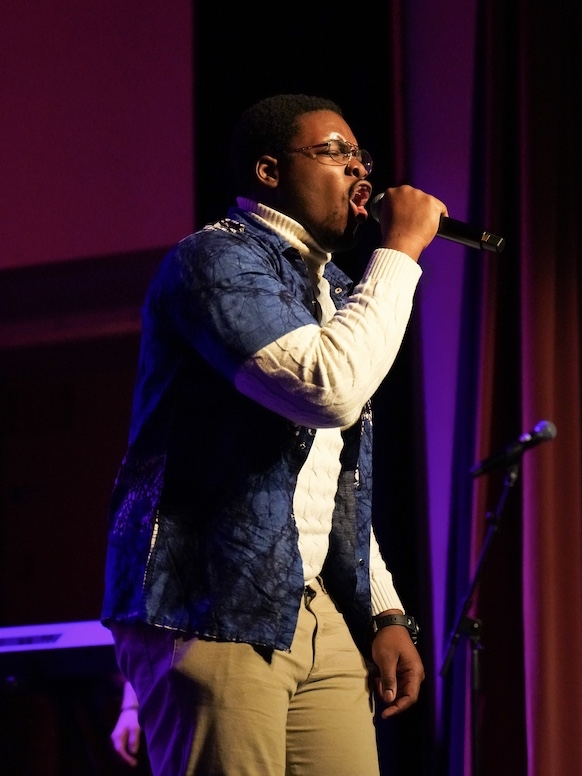
Music
The Department of Music provides a creative environment for the study and performance of music with a global perspective, and encourages students to develop skills, expand knowledge, and contribute actively to society as artists and citizens.
We offer a diverse curriculum that engages students in historical and cultural study, as well as analysis, creation, and performance of music.
Our emphasis on global perspective and experiential learning provides opportunities for each student to explore and develop their own musical passions, and to collaborate with peers and faculty in many ways, including through interdisciplinary work, ensemble participation, and independent projects.
Performance Opportunities
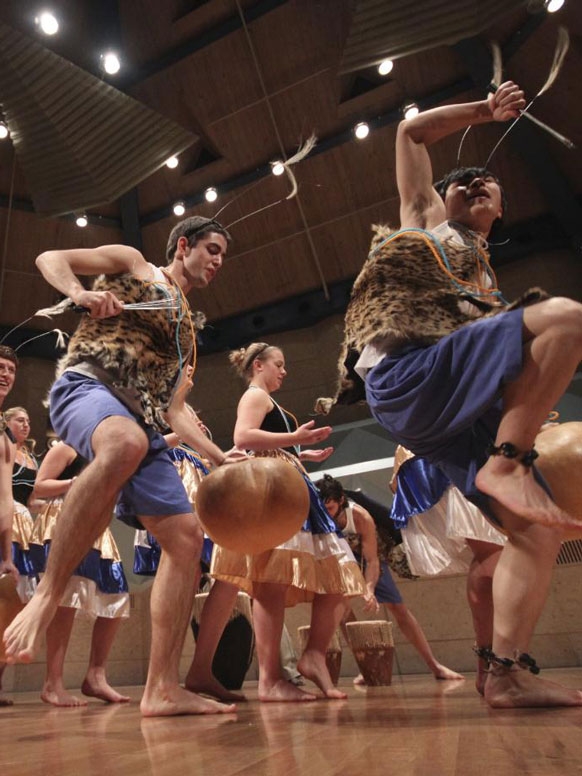
African Music and Dance
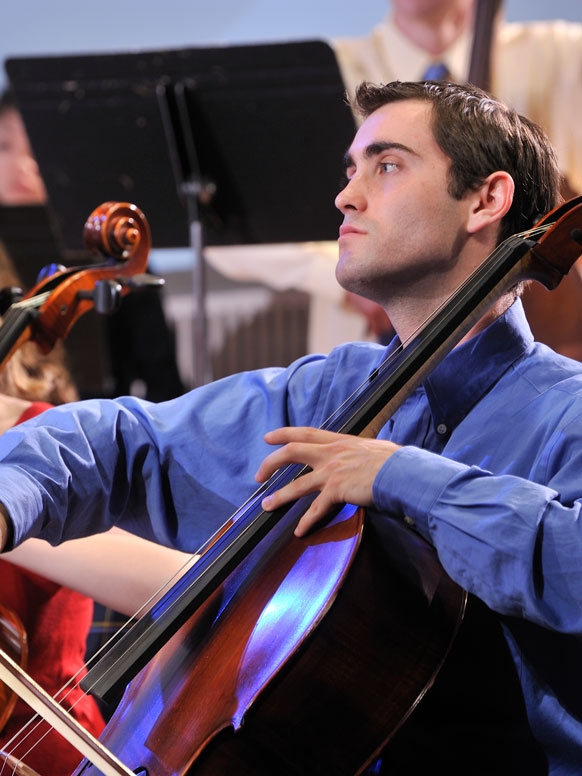
Chamber Music
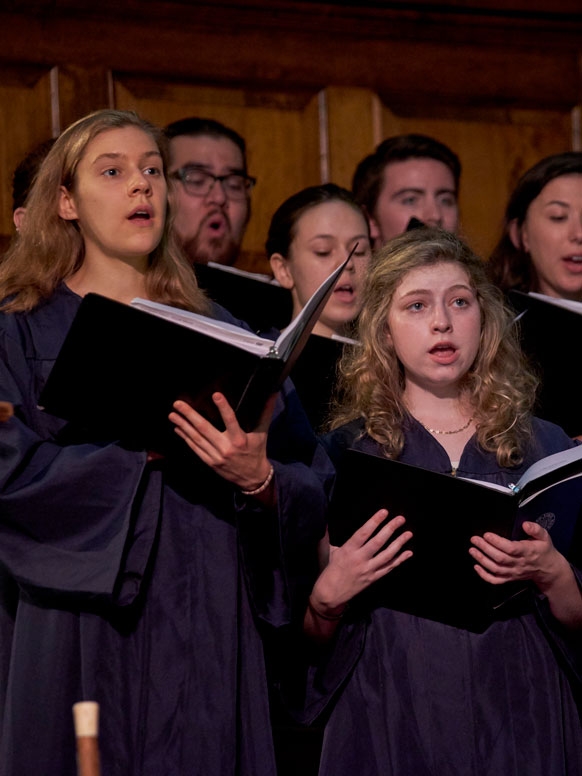
College Choir
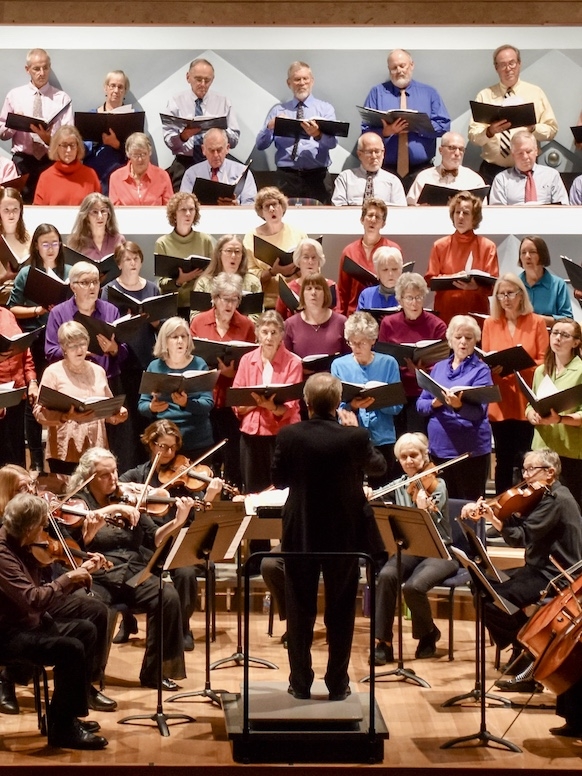
Community Chorus
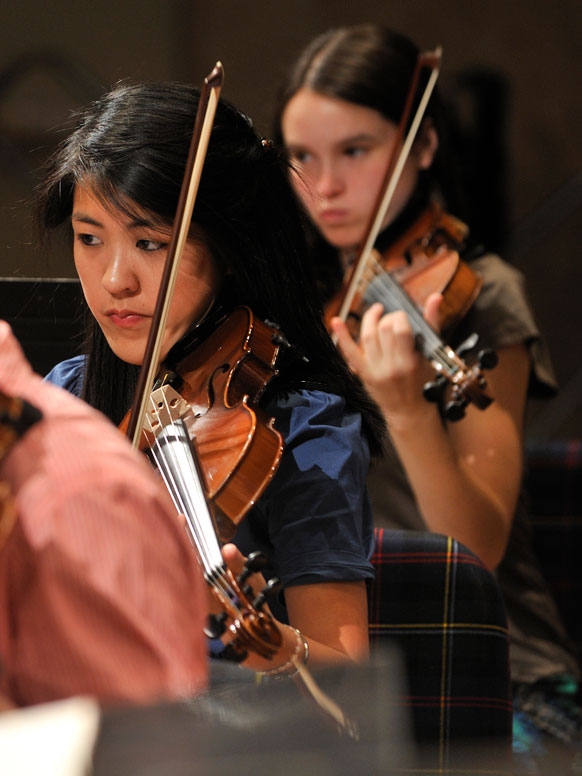
College Orchestra
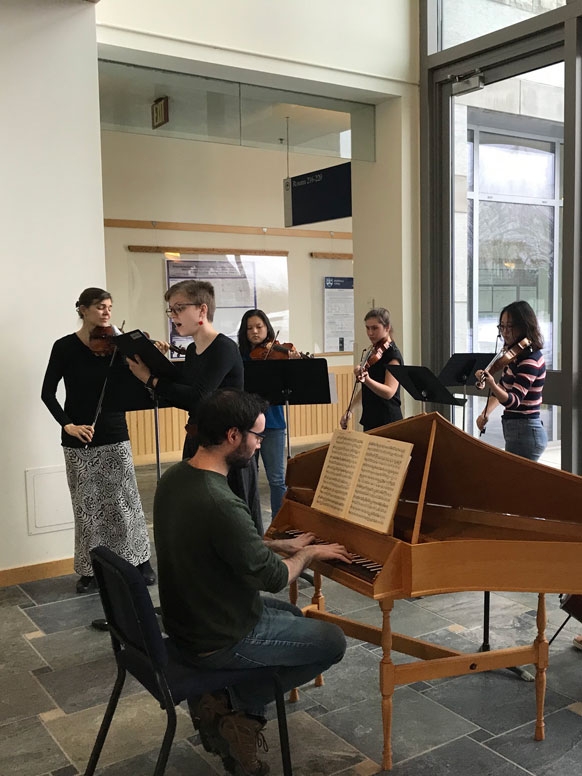
Collegium
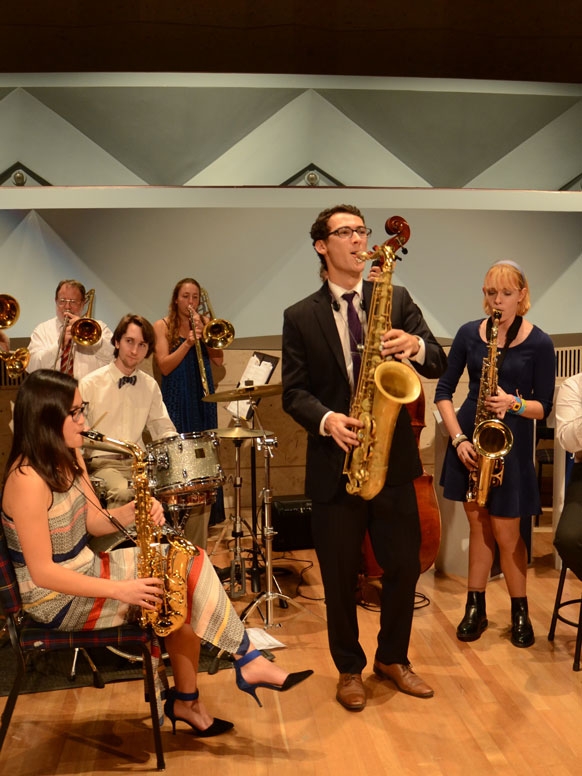
Jazz
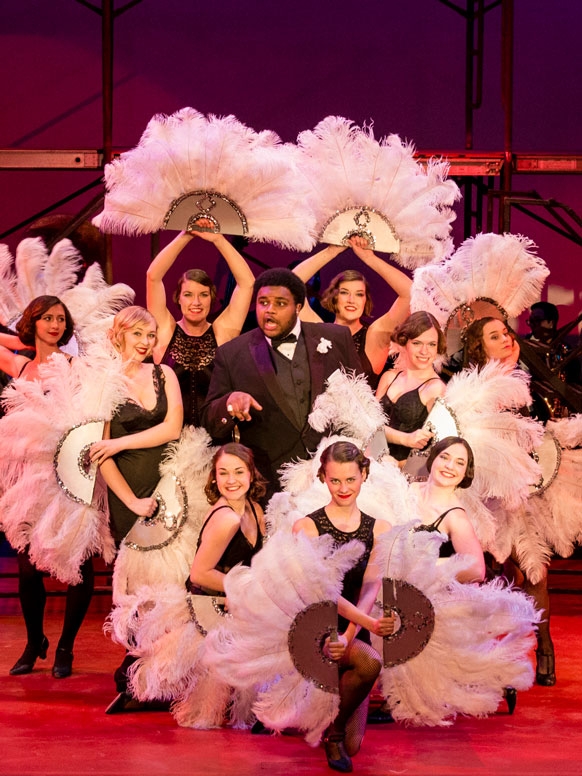
Musical Theater
All Music Department courses, ensembles, lessons, and other activities are equally available to nonmajors and majors alike. The curriculum for music majors offers a balance between thoroughness and flexibility, offering each student a chance to develop areas of strength in the context of a broad liberal arts education.
A wide range of lessons are available—including piano, voice, and most orchestral instruments.
Our Facilities
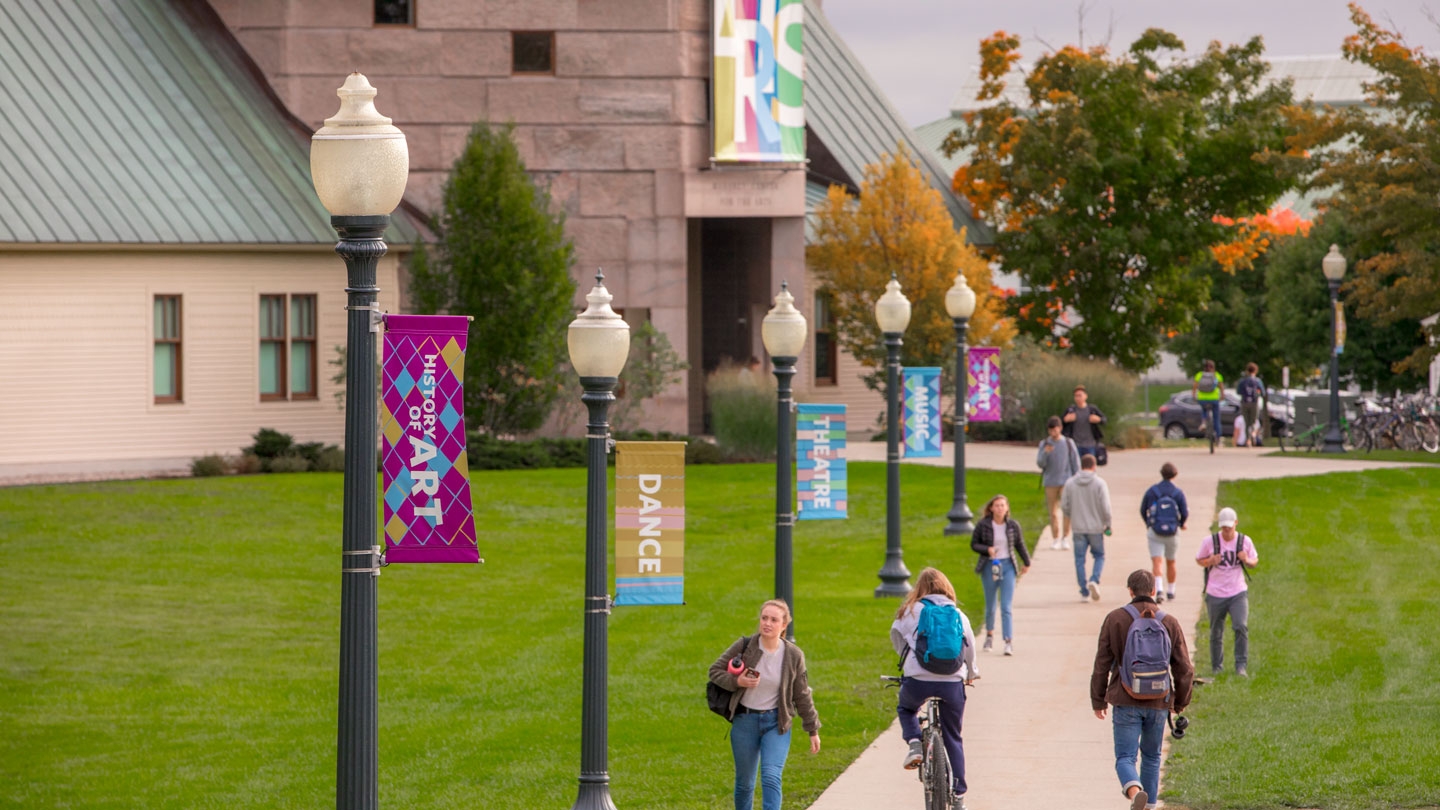
The MAC
The 100,000-square-foot Kevin P. Mahaney ’84 Center for the Arts, known as the MAC, is a hub of arts activity on campus. It’s also home to the Music Department and includes practice rooms, lockers, an electronic music studio, and a 372-seat concert hall.
Explore the MACUpcoming Events
See more-
Carillon Concert Series
The Carillon Concert Series features beautiful concerts from Middlebury Chapel’s bell tower. The melodic sounds of the carillon bells will ring out across the campus. Bring a lawn chair or a blanket! Free and open to the public.
Performer: Sergei Gratchev, Elena Sadina and family
For more information about the performers and programs, please click here.
Middlebury Chapel
Open to the Public
-
Carillon Concert Series
The Carillon Concert Series features beautiful concerts from Middlebury Chapel’s bell tower. The melodic sounds of the carillon bells will ring out across the campus. Bring a lawn chair or a blanket! Free and open to the public.
Performer: Sergei Gratchev, Elena Sadina and family
For more information about the performers and programs, please click here.
Middlebury Chapel
Open to the Public
-
Carillon Concert Series
The Carillon Concert Series features beautiful concerts from Middlebury Chapel’s bell tower. The melodic sounds of the carillon bells will ring out across the campus. Bring a lawn chair or a blanket! Free and open to the public.
Performer: George Matthew Jr.
For more information about the performers and programs, please click here.
Middlebury Chapel
Open to the Public