
Who We Are
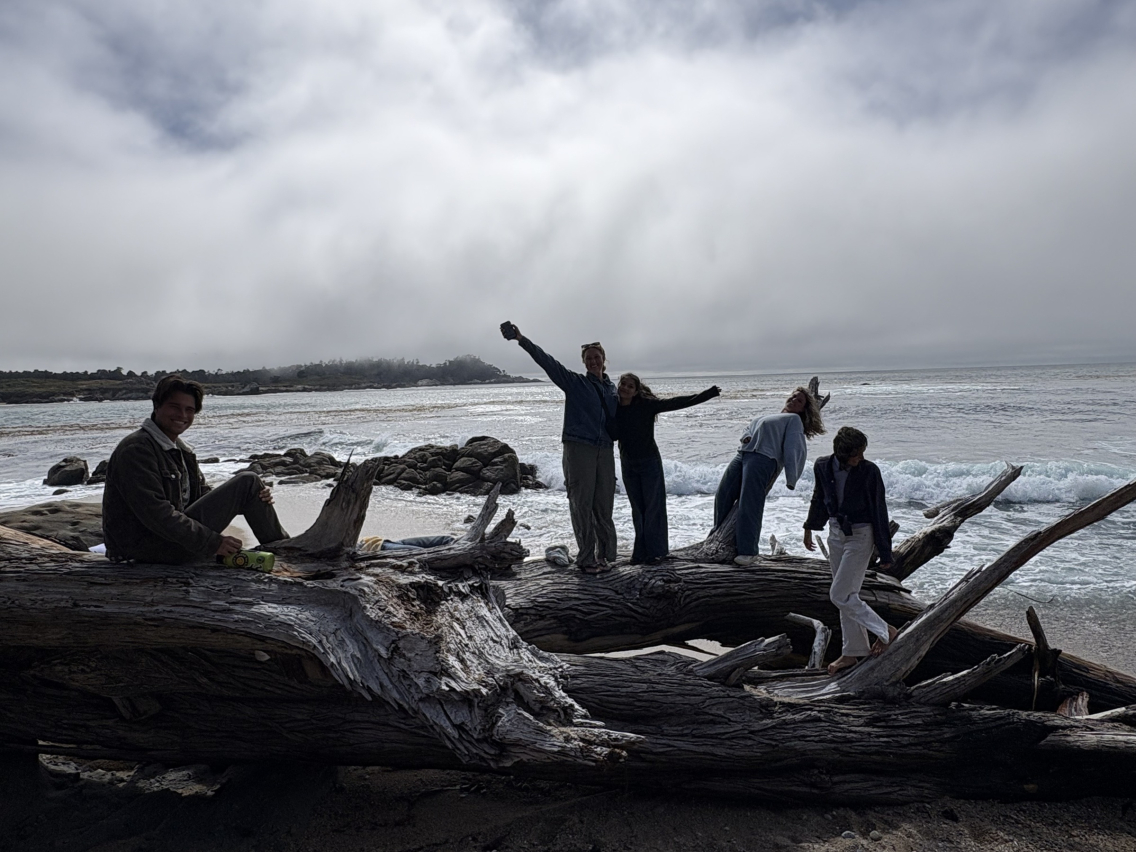
Cultivating a Learning Community
Lean into your curiosity. Lean into community. Lean into intention. At MSOE we have a saying: “Accept adversity and ambiguity as adventure.” We believe that learning occurs best when you’re with trusted friends. Free to question. Free to think critically. Free to express.
At MSOE you will develop a tight-knit learning community that deconstructs the typical learning challenges of a university classroom. Learning in the field, up close and in personal contact with our content, makes learning a full sensory experience.
Learning Outcomes
By the end of the program, students should be able to:
- Define and apply principles of resilience, sustainability and justice to environmental problem-solving;
- Interpret qualitative, quantitative and geospatial research to advance environmental understanding, management and policy;
- Describe interdisciplinary perspectives, including those from the arts, sciences, humanities and professions, in advancing equitable solutions to environmental challenges;
- Produce a story that expresses the social-ecological dynamics of place and integrates scientific data and diverse perspectives;
- Elaborate on theories of conflict transformation and describe personal roles and strengths in the transformation process;
- Identify characteristics of environmental leadership, collaboration and professionalism, and develop personal perspectives and approaches.
Courses
MSOE courses embrace complexity, emphasize hands-on practice, and embody interdisciplinarity. Our curriculum takes a systems lens to exploring the social-ecological relationships, environmental problems and sustainability initiatives. Within and alongside classes are a series of leadership development trainings that build applied skill in communication, collaboration, conflict management, effective decision making and multicultural competencies, among other topics. Electives offer in-depth training in specific skills and viewpoints that are central to the study of the environment.