The Middlebury Campus staff works together on a deadline at the student-run newspaper.
The Middlebury Campus staff works together on a deadline at the student-run newspaper.

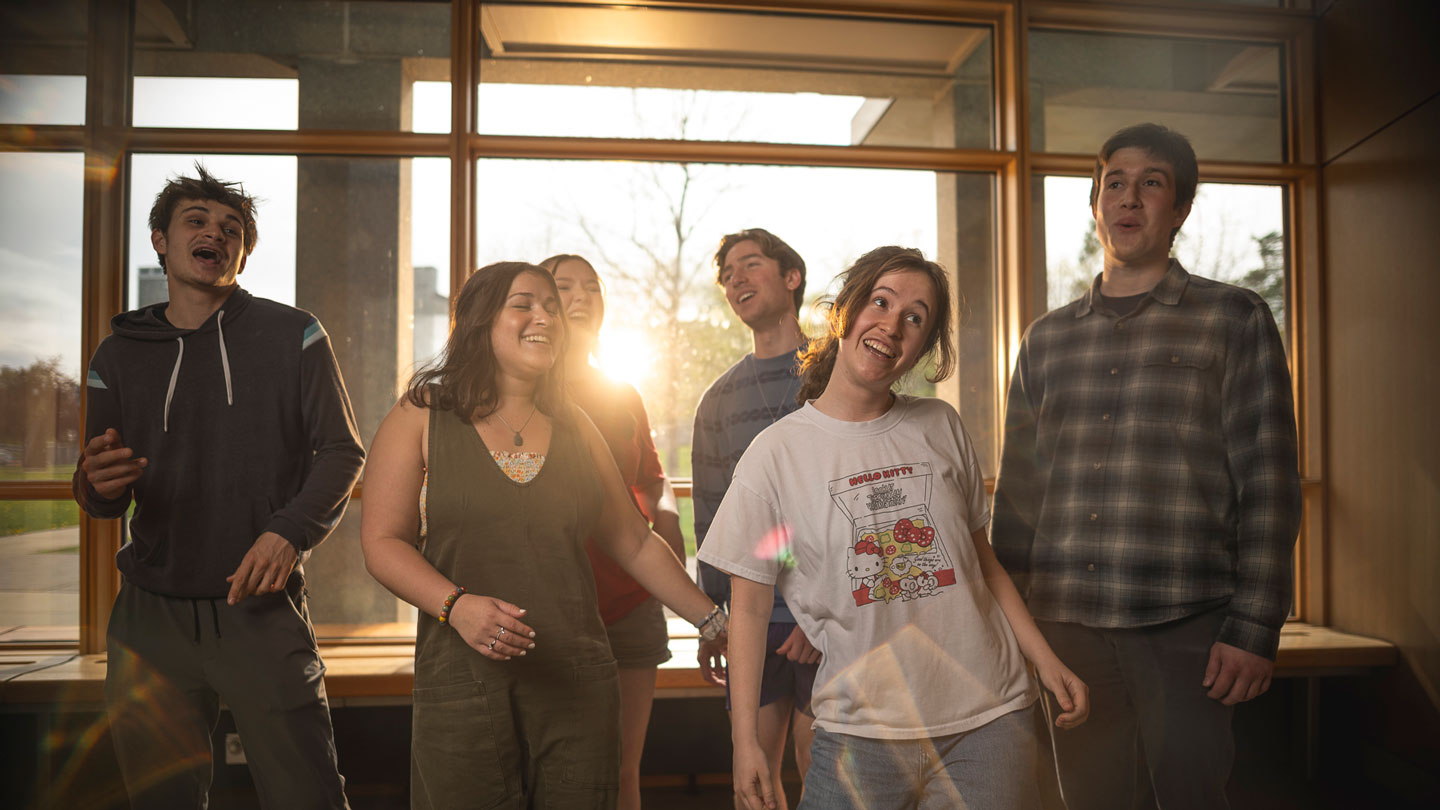
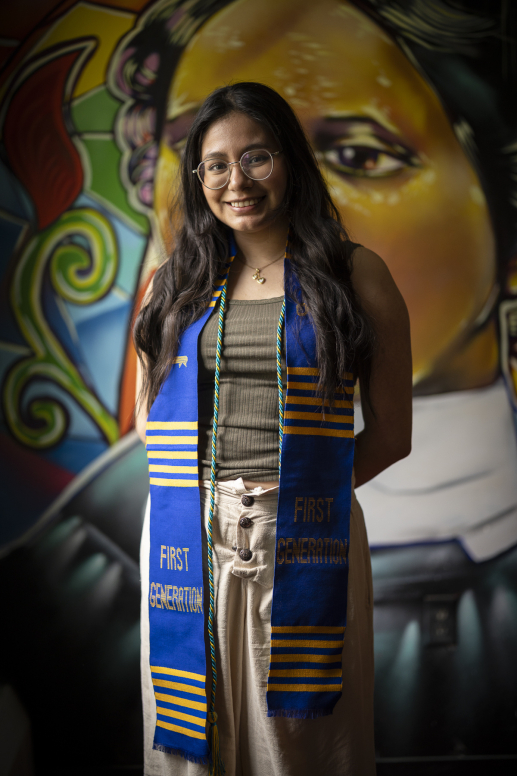
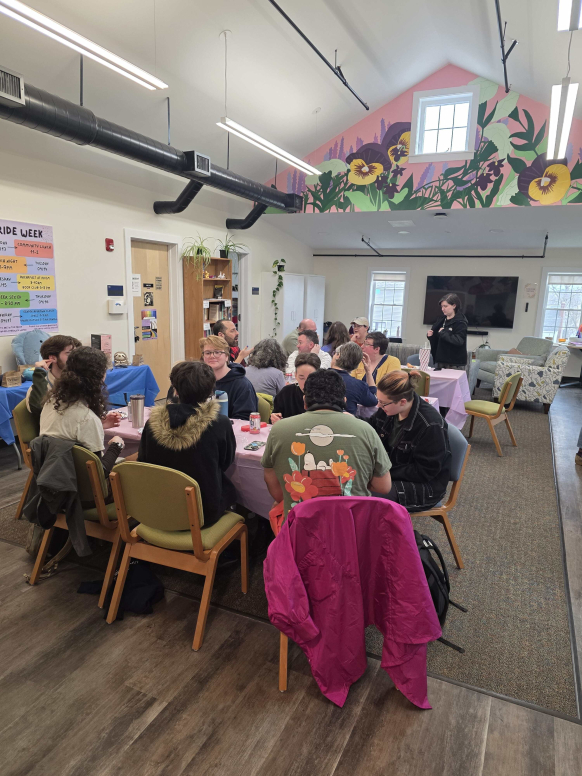
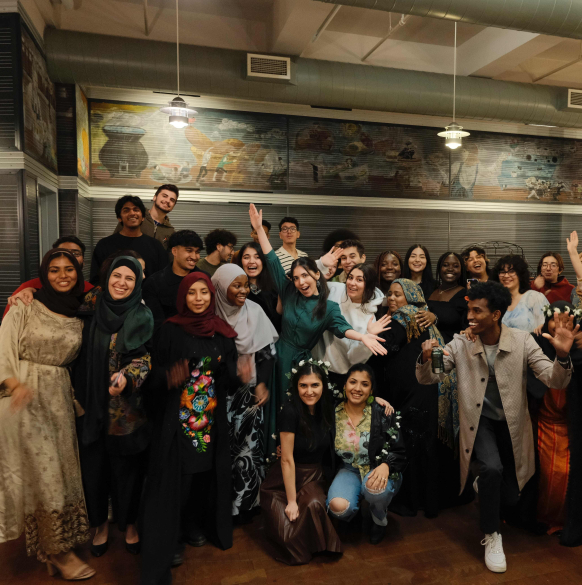
There are plenty of opportunities to find one’s niche at Middlebury, whether through student activities, student government, programs and events, or groups and affiliations.

Student Activities Office (SAO)

We provide experiential programs and consequential leadership roles that empower students to build community and engage positively in the world. Student Activities is committed to helping students connect with one another and to facilitating involvement in a wide variety of activities. The Student Activities team provides support for more than 200 student organizations through leadership development opportunities for student leaders, and we support students in producing dozens of events and programs each academic year. We are located on the first and second floor of the McCullough Student Center.

Student Organizations

Middlebury has over 200 student organizations that can be found on our student engagement platform Presence. The Student Activities Office supports all registered student organizations, as well as students who wish to start a new organization on campus. Leaders of student organizations should view more information about being an active and registered student organization.

Student Government Association

The Student Government Association (SGA) acts as a single unified group, representing students in the decision-making processes of the College. It is the official channel for student participation in formulating institutional policy affecting academic and student affairs. The SGA is made up of the senate (elected class representatives), the cabinet (appointed advisors), and the president (elected by the student body). The SGA also makes appointments to student, joint student/faculty, and trustee councils and committees.

Middlebury College Activities Board (MCAB)

The mission of MCAB is to enrich the quality of student life by orchestrating innovative programming, upholding College traditions, and providing a platform for students to design and execute their own events. 

Middlebury Outdoor Programs

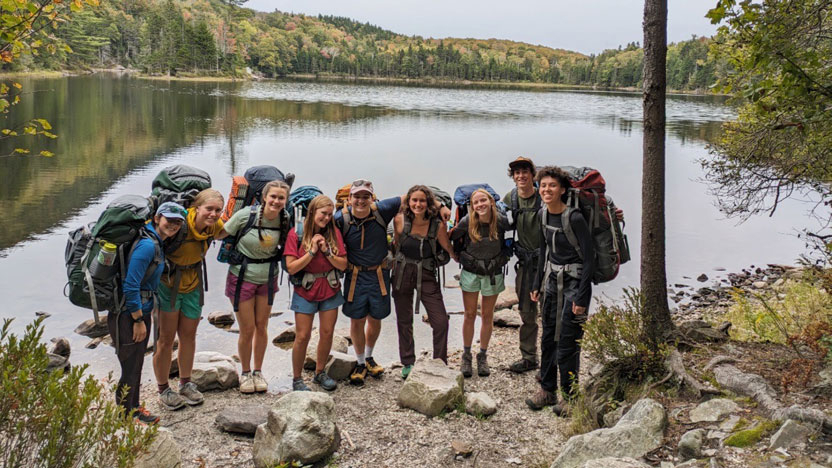
The Middlebury campus is spectacularly positioned between the Green Mountains and the Adirondacks. This location gives us easy access to a remarkable array of outdoor environments and classrooms. Middlebury Outdoor Programs provides gear and resources for getting outside.

Community Council

The Community Council serves as a forum in which all segments of the College community have a voice on nonacademic issues on campus. With a membership that represents students, faculty, and staff, their deliberations and decisions consider the interests and concerns of the whole community. All members of the College community are invited and encouraged to attend and to gather feedback, brainstorm solutions to a problem, and present their own concerns, questions, or recommendations. If you cannot attend a meeting, contact CCouncil@middlebury.edu to send in a statement to be read and/or receive a copy of the minutes.

The Middlebury Campus

The Middlebury Campus is the College’s official student newspaper. One hundred percent student run, the paper, also known as the Campus, is published most Thursdays during the academic year. The paper covers stories across six sections: News, Opinion, Local, Arts and Sciences, Sports, and Cartoons. The staff is composed of an editor in chief, managing editor(s), section editors, and staff writers, photographers, and cartoonists.

Leadership Education/Restorative Practices 

The William Delahunt ’63 Bridgebuilding Fellowship

At a time of increasing polarization at home and abroad, this selective fellowship program brings together a cohort of student leaders from across Middlebury to build their capacities to solve problems within their organizations and communities. Building bridges across different perspectives is at the heart of a liberal arts education, and these skills also offer ways to address conflict in constructive ways. This fellowship carries forward the approach of Congressman Delahunt, equipping students with skills and frameworks to build trust and navigate complex challenges with curiosity, empathy, and purpose.

Fellows will:

  • receive intensive training in bridgebuilding skills – asking open questions, engagement with diverse stakeholders, and identifying common interests. 
  • meet monthly to discuss challenging issues, refine their skills, and identify constructive approaches to the conflicts they manage as leaders.
  • receive a stipend upon completion of this six-month program (September – March).

Applications for the 2026-27 Fellowship open May 6 and close on May 18. Notifications of selection will be announced by June 1.

Apply here: Delahunt Fellowship Application

About Congressman William “Bill” Delahunt (1941-2024): Delahunt, Middlebury Class of 1963, believed that politics could be both practical and noble. He asked curious questions to understand others’ interests, he was willing to try new approaches to challenging issues, and he built personal relationships through which he could address meaningful differences.Delahunt’s public service began with the Coast Guard, the Quincy (MA) City Council, and the Massachusetts House of Representatives. Then, as district attorney of Norfolk County for 20 years, he created the nation’s first domestic violence unit. Delahunt served in the US Congress for fourteen years (1997-2011). To learn more, visit here and here.

Peer Conflict Coaches

Sponsored by the Conflict Transformation Collaborative, Peer Conflict Coaches play a critical role in supporting students through conflict resolution processes. Trained in multiple modalities, they assist, coach, and facilitate a range of peer conflicts. Whether through conflict coaching, mediation, restorative processes, or dialogue, Peer Conflict Coaches help individuals navigate disputes with empathy and skill.