Conflict and Change in California course takes students to Sacramento

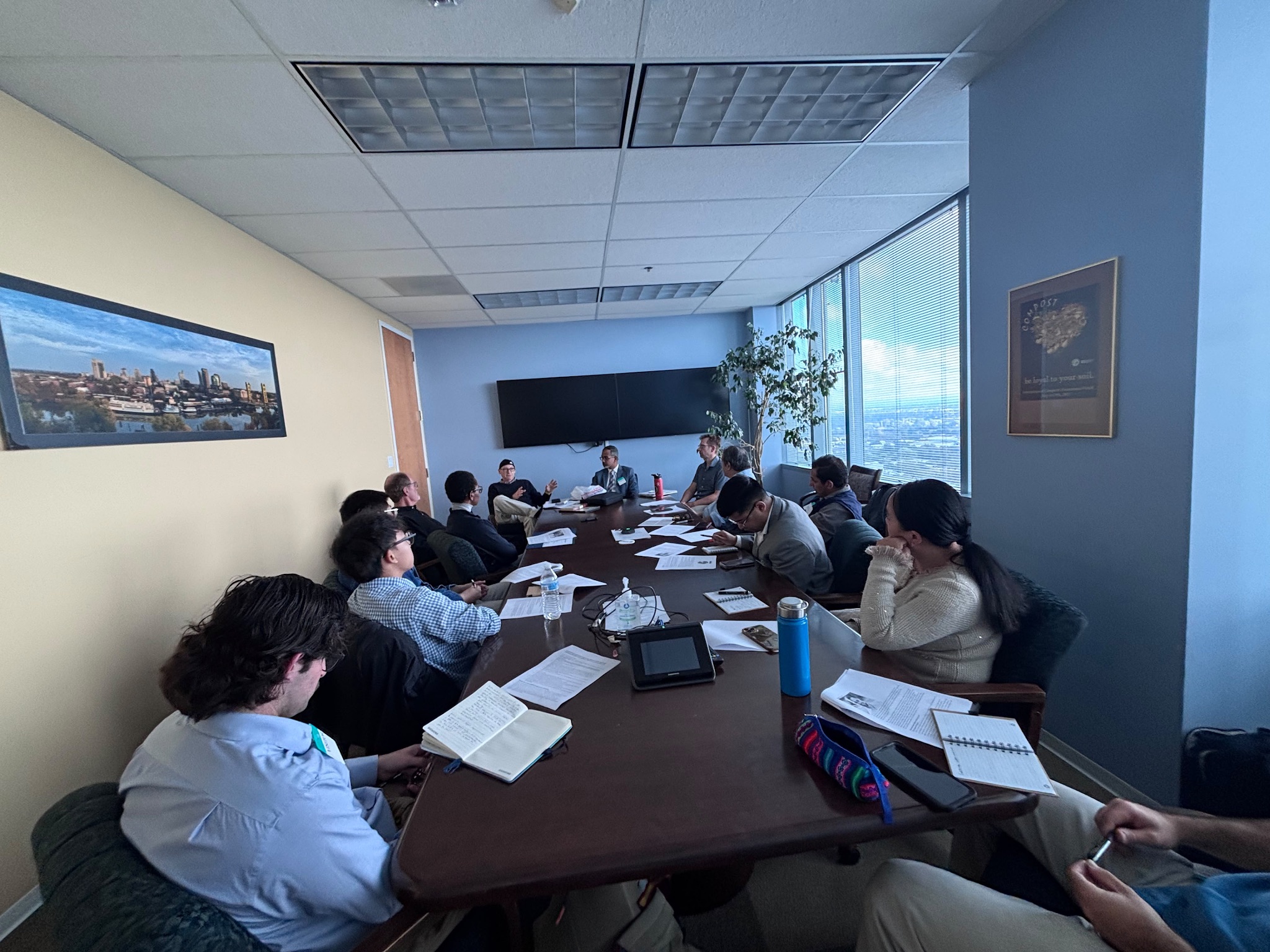
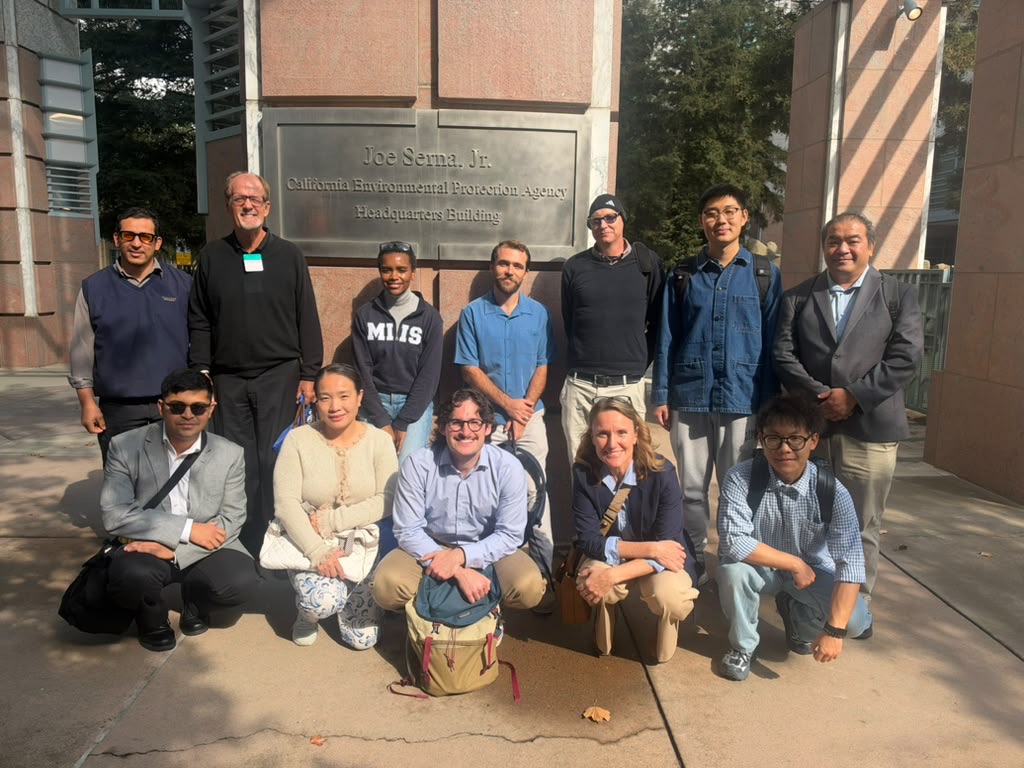
For four days in October, nine Middlebury Institute graduate students took their learning into California’s state agencies, museums, and historic communities. In Sacramento and the Sacramento–San Joaquin Delta, they met public-sector professionals, explored the histories behind current policy questions, and took turns leading discussions with their classmates.
Conflict and Change in California, held October 22–25, 2026, combined field visits with practice in facilitation and reflection. The course brought together students from five graduate programs, creating opportunities to examine the same places and policy challenges through different professional perspectives.
The Conflict Transformation Collaborative sponsored the course, led by Carolyn Meyer, director of Experiential Learning, and Harry Teng, a professor in Translation and Localization Management. MIIS alumnus Ryan Radford and Netta Avineri, executive director of the Collaborative, helped guide the experience.
Learning by Leading the Conversation
Students had an active role in the field experience. At historical sites, they took turns facilitating reflective discussions, bringing questions to classmates whose fields ranged from environmental policy and governance to international security and translation. Leading those conversations required attention to both the subject and the perspectives people brought to it.
The visits gave those discussions concrete starting points. At the California Museum, for example, an exhibit on Japanese American incarceration prompted student Noor Almusahwi to reflect on the contrast between Japanese Americans’ military service and the incarceration of their families. His account connected a historical encounter with questions about institutions, loyalty, and personal values.
“I do not view conflict as a problem or an end in itself; I view conflict as a space and an opportunity for us to get closer, work together, and understand each other’s skillsets to build solid, formidable relationships,” Noor wrote.
Connecting Graduate Study with Public Service
Conversations with practitioners offered another way to connect classroom learning with experience. At the California Environmental Protection Agency and the Governor’s Office of Business and Economic Development (GO-Biz), students discussed clean energy, economic transitions, and foreign investment. They also met representatives from the California Natural Resources Agency and the California Conservation Corps.
The speakers included MIIS alumni Cortney Copeland at GO-Biz, Clesi Bennett at the California Natural Resources Agency, and Teagan Felknor-Edwards at the California Conservation Corps. With Radford helping guide the course, students encountered several examples of graduates applying their education in state government.
These meetings added a professional dimension to the field experience. Alongside the historical visits, students encountered the work of agencies addressing environmental and economic change. Noor’s reflection, for example, highlighted GO-Biz’s economic diplomacy and the role of partnerships between public agencies and community organizations, connecting the visits to his own interests in international cooperation.
Connecting History, Policy, and Practice
The itinerary extended beyond government offices. Sutter’s Fort, Old Sacramento, the California Museum, the State Capitol, and Locke brought histories of displacement, exclusion, labor, and community resilience into the course. Moving between these sites and contemporary policy settings gave students material to discuss how California’s past relates to the institutions and communities they encountered.
Facilitated discussions and written reflections were ways to work through those connections. The course asked students to consider both the issues raised by each visit and how they engaged with one another. In his reflection, Noor described plans to bring greater candor and perseverance to future group work, offering one example of how the experience could inform collaboration back on campus.
Participants came from Global Governance and Policy, Environmental Policy and Management, Threat Intelligence, Nonproliferation and Terrorism Studies, and Translation and Localization Management. The four-day experience paired that range of academic interests with a shared set of visits and conversations, connecting graduate study with people working on California’s public challenges.
A further California course is planned for February 2027. Program information is available at http://sites.middlebury.edu/california.