
Middlebury Students Explore East Asian Geopolitics Through Immersive Field Research
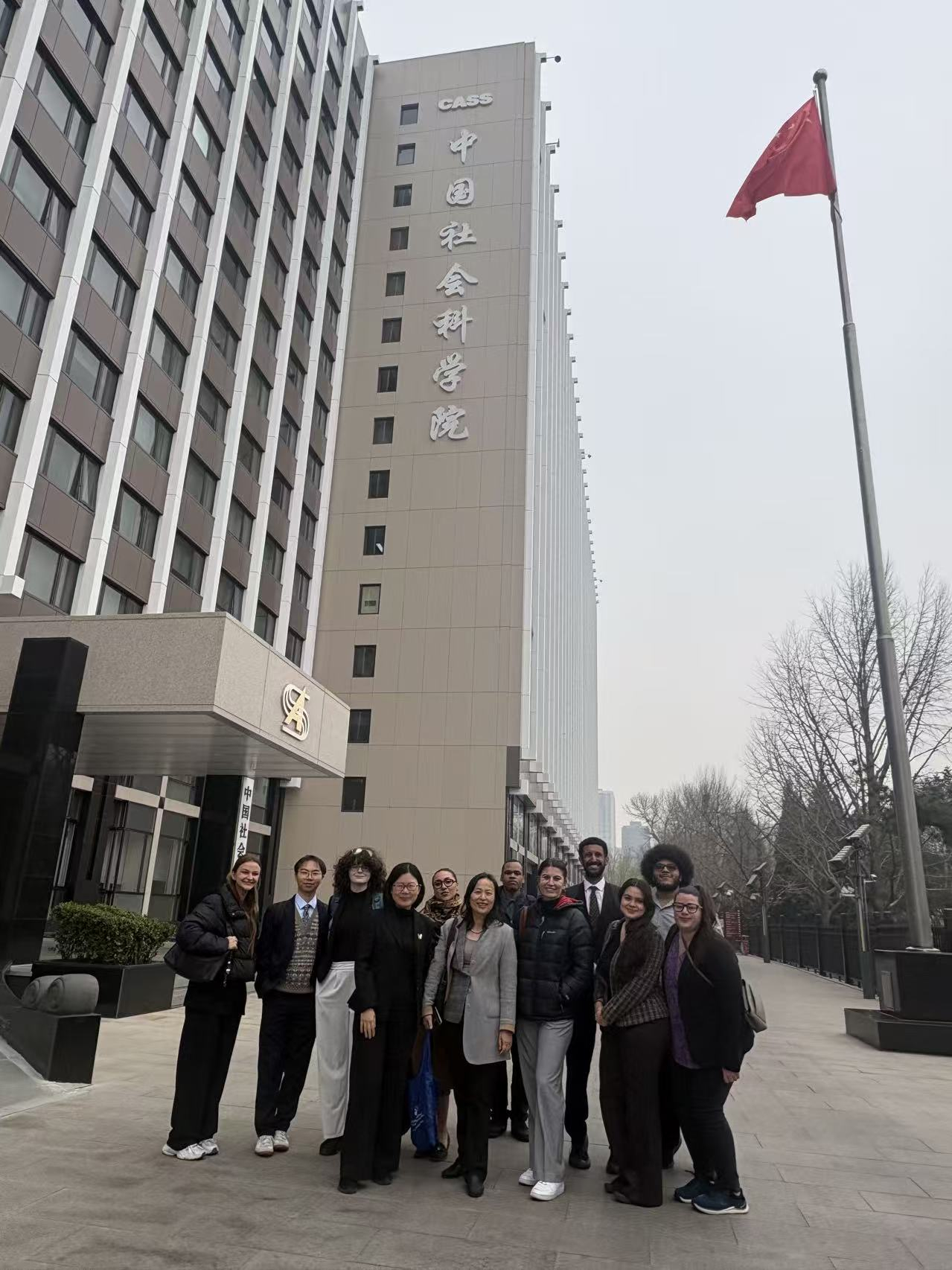
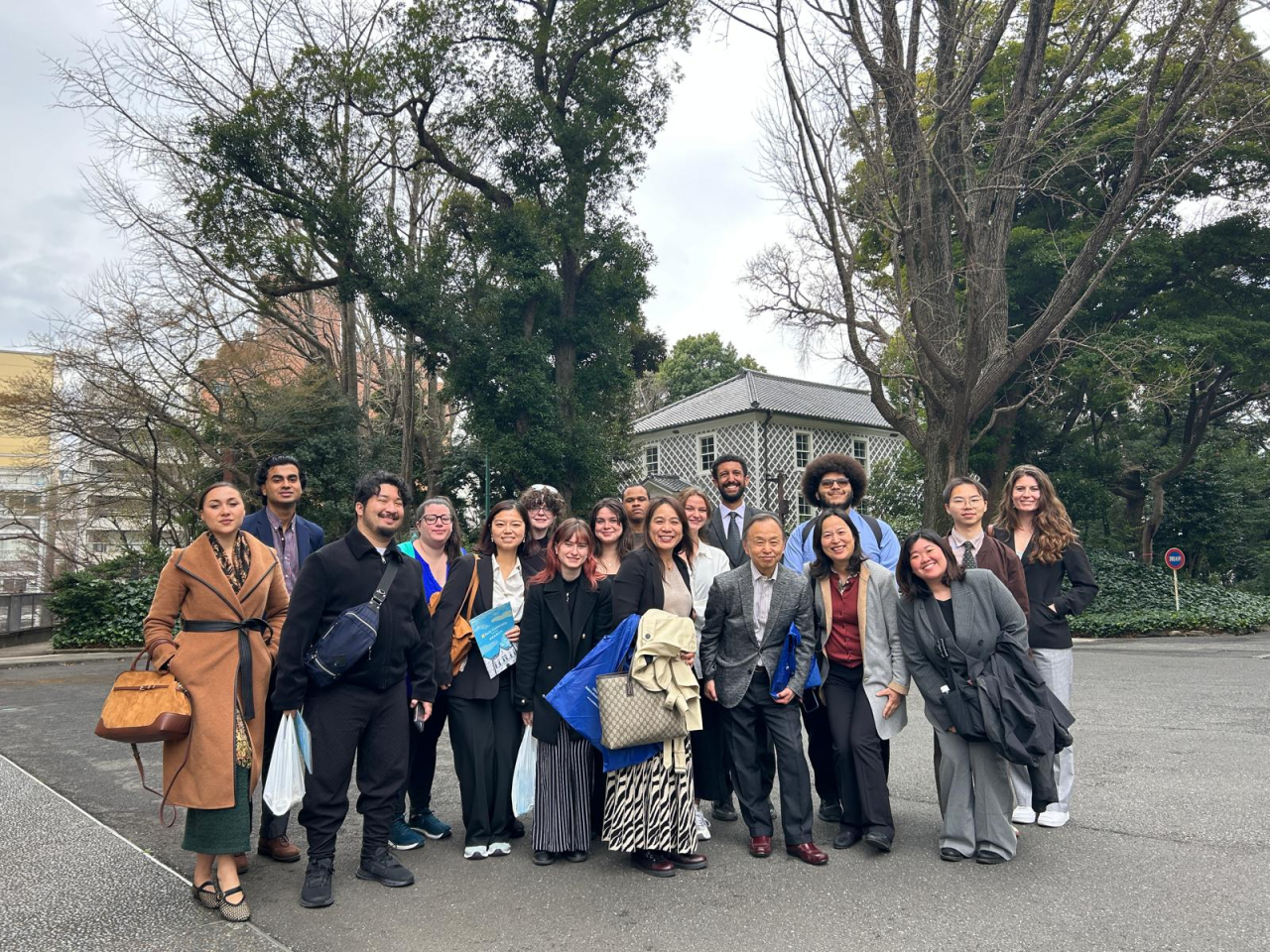
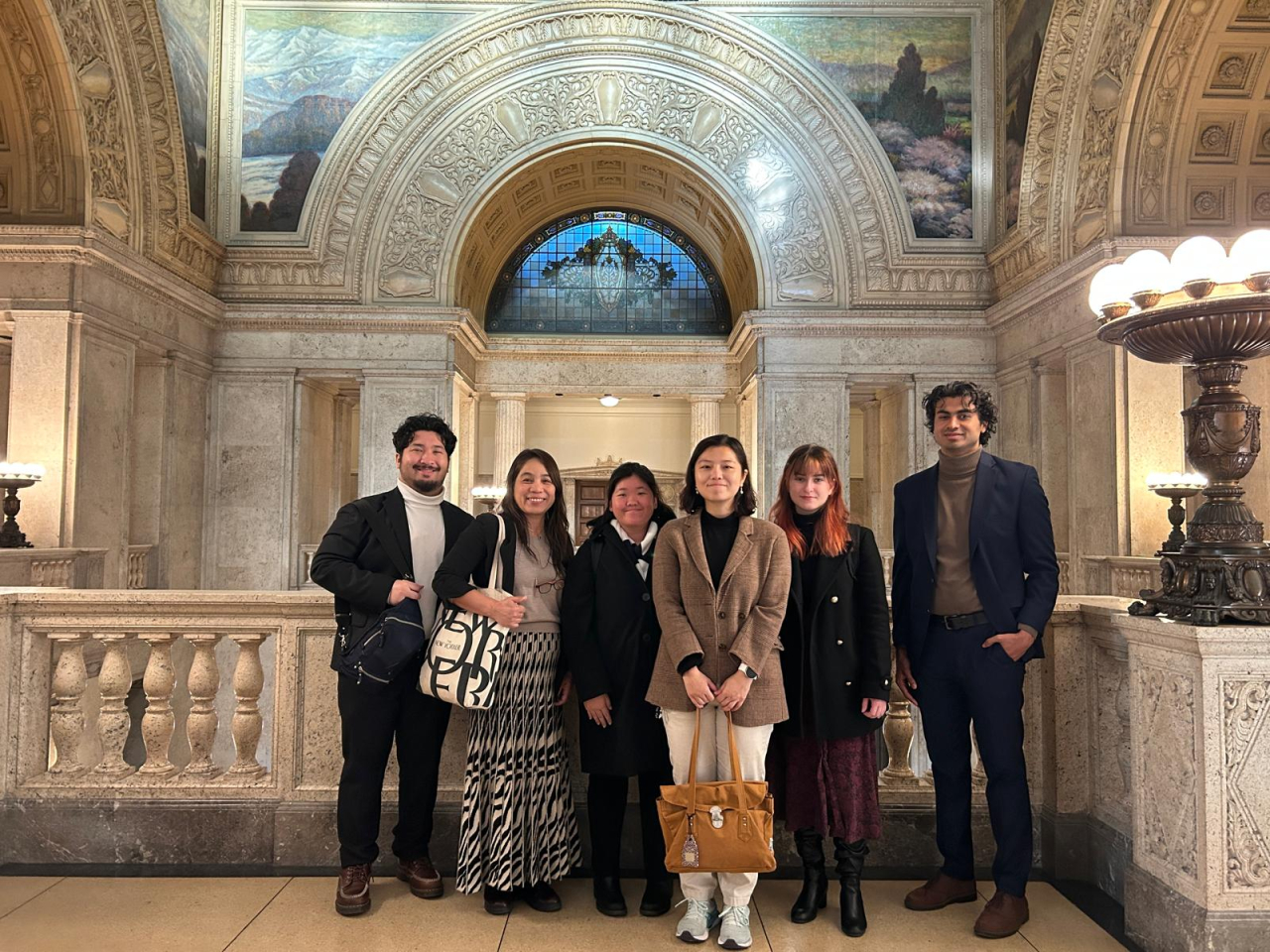
This March, a cohort of 15 Middlebury students embarked on a rigorous field research program across China and Japan, gaining rare, first-hand access to diplomatic and economic experts in East Asia. The group, primarily composed of graduate students from the Middlebury Institute of International Studies (MIIS) alongside a senior from Middlebury College, represented a diverse international tapestry with participants hailing from the U.S., China, Ireland, and Pakistan.
Interviewing leading experts in Beijing and Tokyo… was one of the most valuable experiences of my academic career. I was struck by how expert insights challenged what we learn in the classroom.
The program’s interdisciplinary nature reflected the students’ varied academic backgrounds, which spanned International Policy and Development, Nonproliferation and Terrorism Studies, Translation and Localization Management, human security and International Politics and Economics. Ten participants completed an ambitious two-country itinerary that began in Beijing and ended in Tokyo. During the trip, students had the rare opportunity to learn from and interact with well-known researchers, seasoned diplomats, former trade officials and economic advisors who designed critical structural reforms in both China and Japan.
Guided by professors Wei Liang and Junko Matsuda, the course embraced “The Monterey Way” by integrating policy studies with linguistic and cultural analysis. Before departure, students spent weeks analyzing historical narratives, the role of nationalism in foreign policy, and the impact of colonial history on current bilateral conflicts between China and Japan. Pre-course preparation also included language preparation where students learned basic Chinese and Japanese if they did not already have this skill.
A key focus of the program was developing Intercultural Competence (ICC). Students were trained to conduct field research in culturally diverse settings, focusing on raising questions and seeking information with a ‘culturally appropriate and sensitive’ approach. The first-hand experience allowed students to gain a deeper understanding of complex geopolitical issues while also experiencing and celebrating local culture and traditions.


Students in Action Through Support from the Conflict Transformation Collaborative
This experiential program was made possible through with support from the Middlebury Conflict Transformation Collaborative and MIIS Experiential Learning Fund. The course is an example of the Collaborative’s mission to provide students with the tools to navigate and de-escalate global tensions. By funding such initiatives, the Collaborative enables students to apply theoretical frameworks—such as economic development and conflict transformation theories—to real-world international disputes.
Navigating the “New Normal” in Beijing
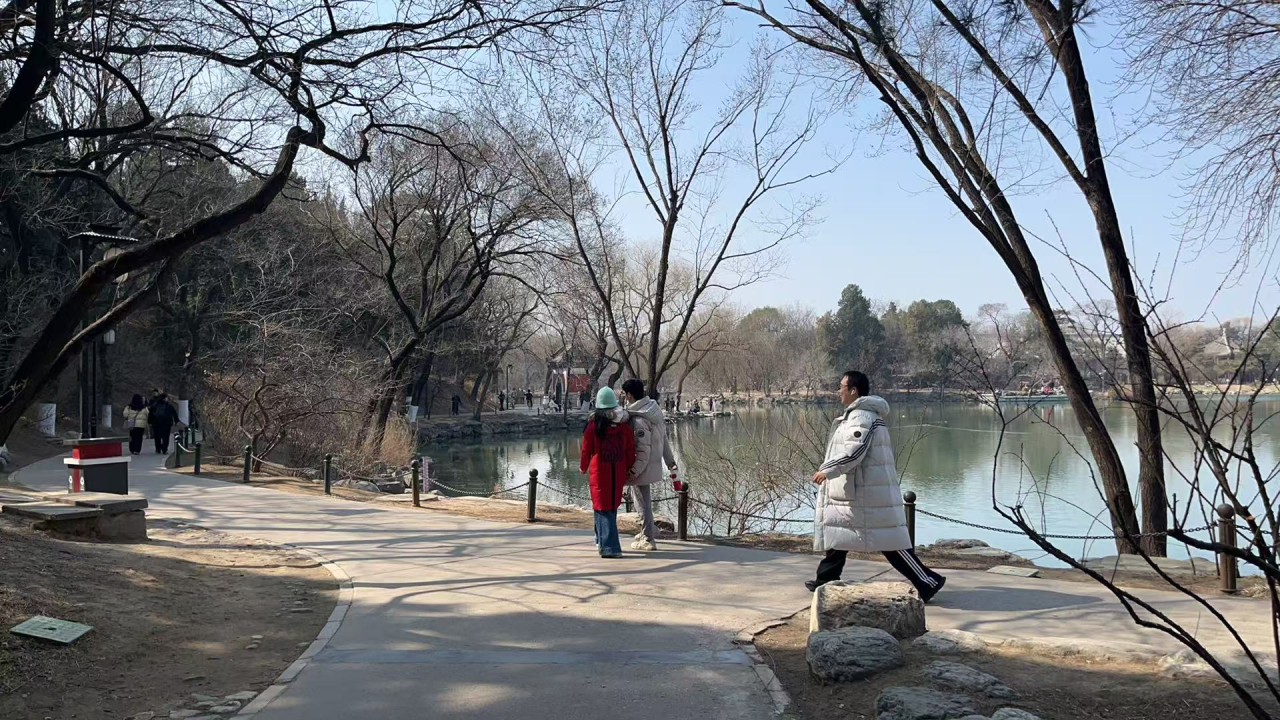
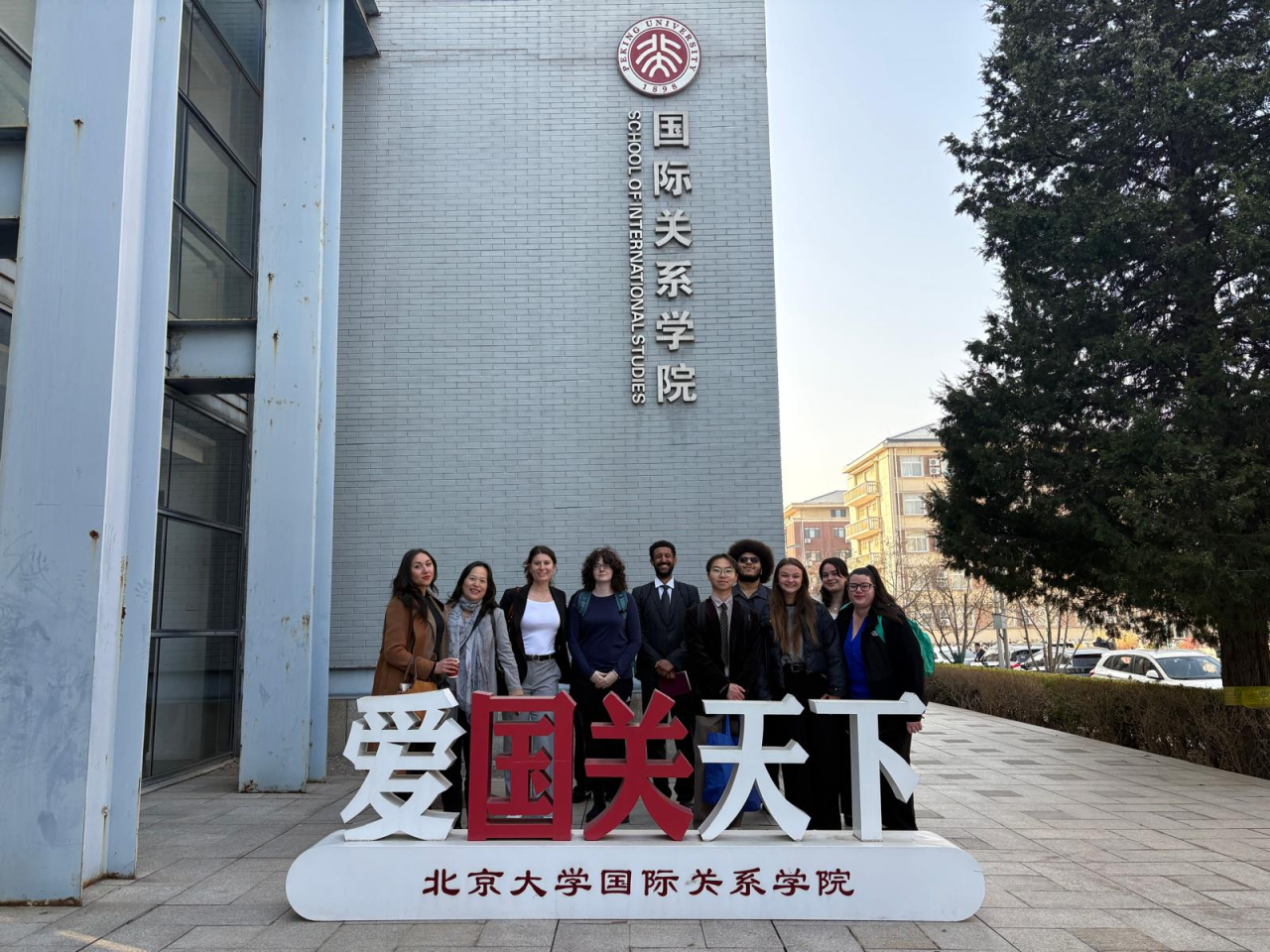
The journey commenced in Beijing, where students were immersed in the complexities of modern Chinese governance and trade. Staying near Peking University in the Haiden district, the city’s primary educational and technological hub, the group engaged with high-level experts on pressing regional issues. Highlights included a strategic analysis of China-Japan relations with Prof. Yunxiang Liang and an exploration of the “triangular” U.S.-China-Japan relationship with Associate Dean Yongtao Gui at Peking University.
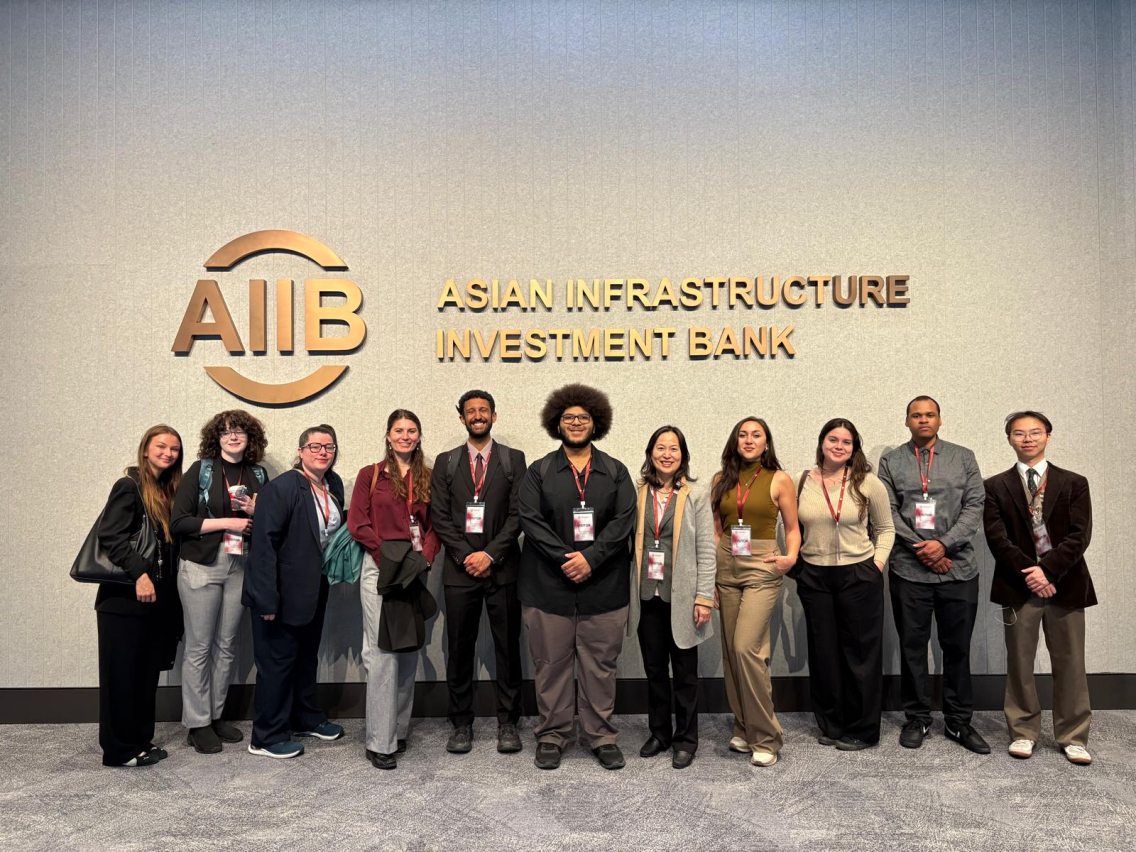
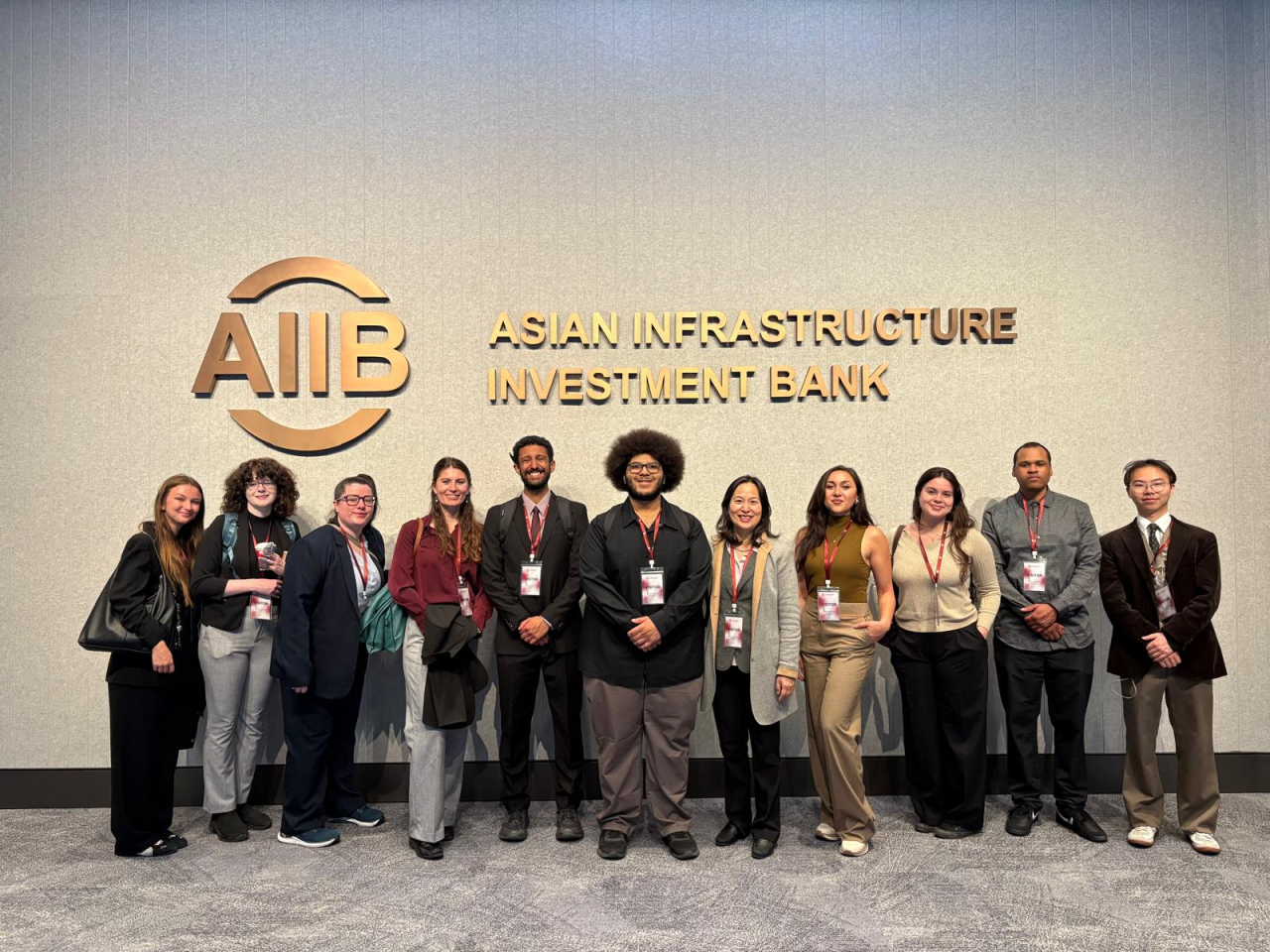
The course also included visits to the University of International Business and Economics (UIBE) to discuss trade policy and to the Asian Infrastructure Investment Bank (AIIB), where Dr. Ke Fang, the general director of operations, provided insights into infrastructure finance across Asia. A significant diplomatic highlight was a meeting with Ambassador Geng Shuang, China’s Deputy Permanent Representative to the UN, to discuss the critical impact of U.S.-China relations on the region.
The preparation for these courses is immense, demanding a high level of dedication from faculty, staff, partners, and students. However, the deep learning and the real-world application of skills make every hour of effort worth it!
Diplomatic Dialogue and Security in Tokyo
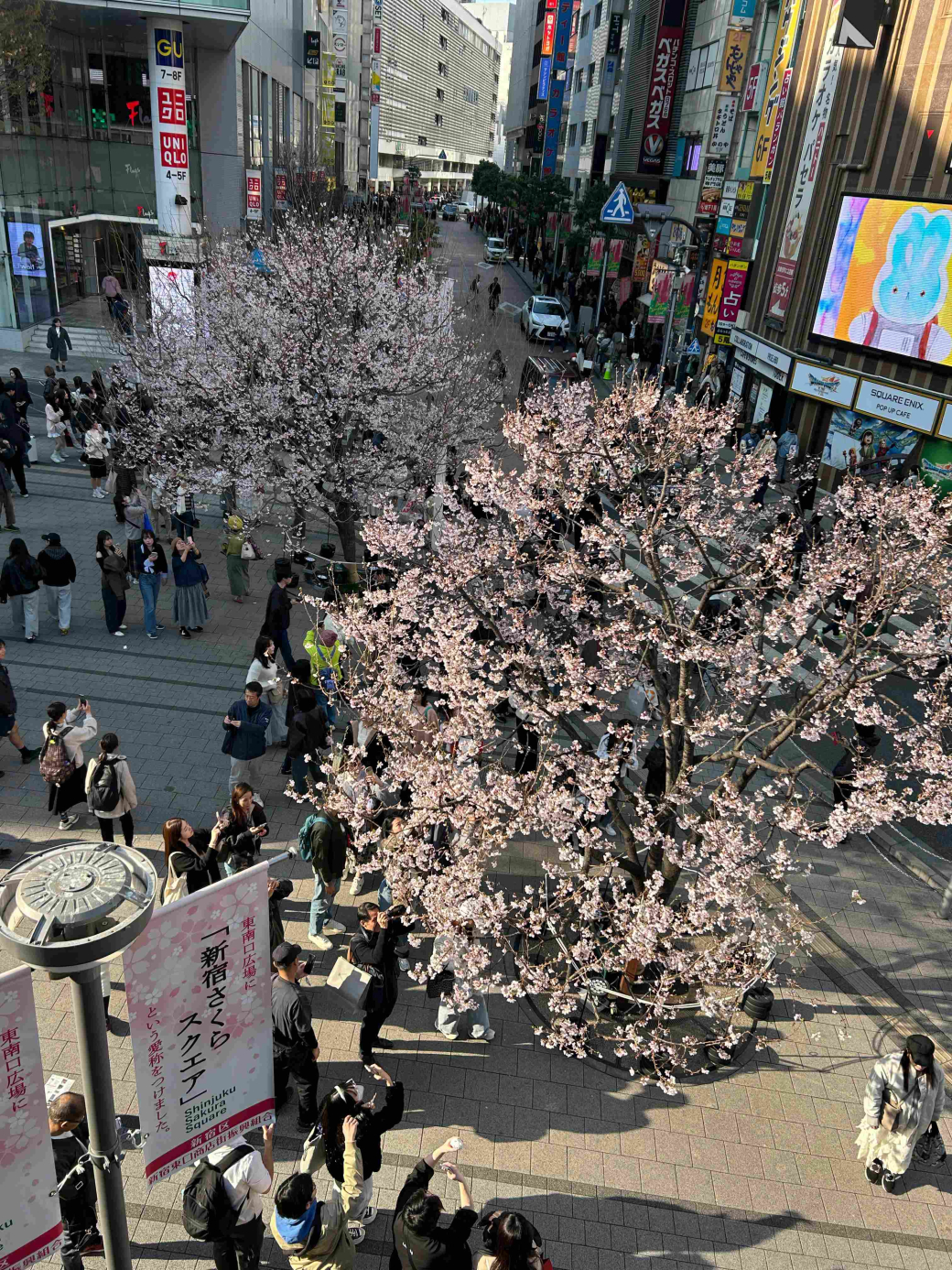
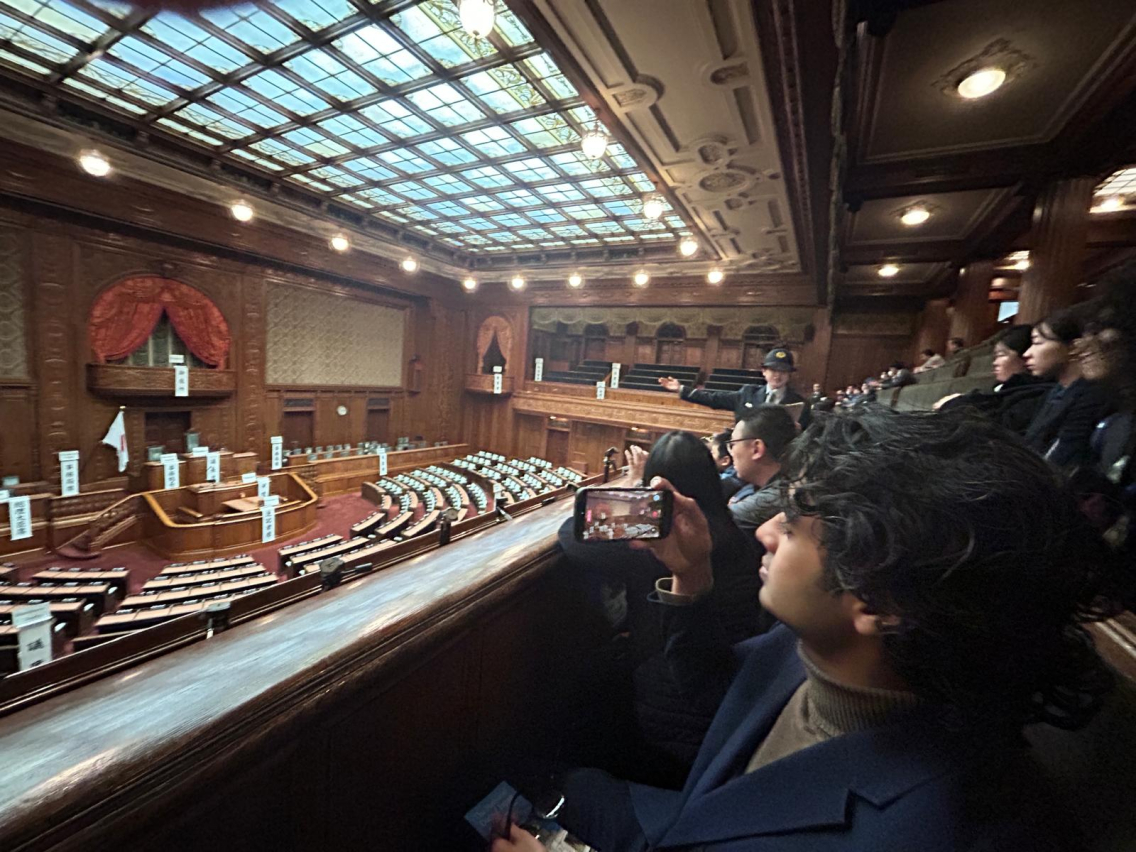
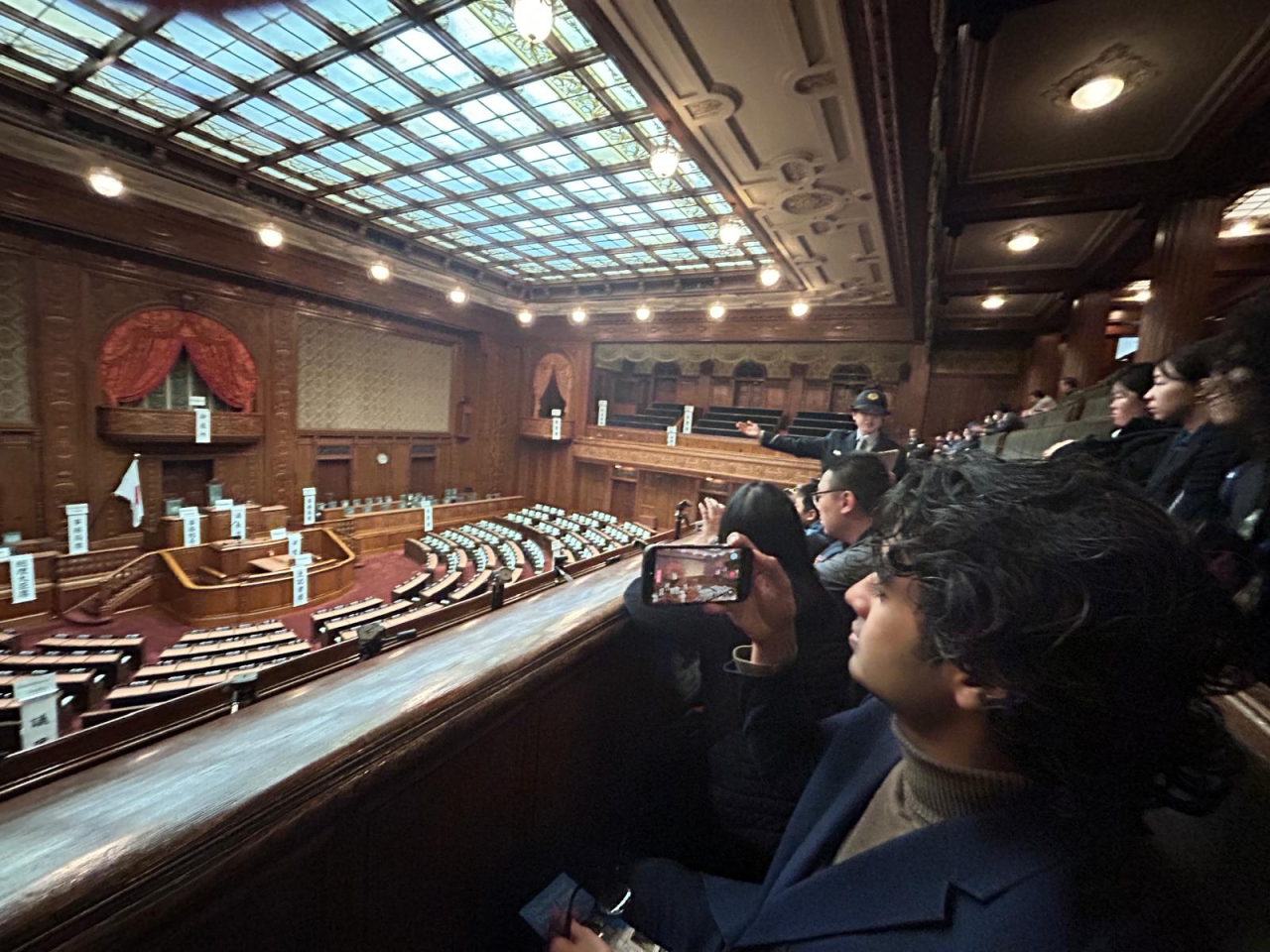
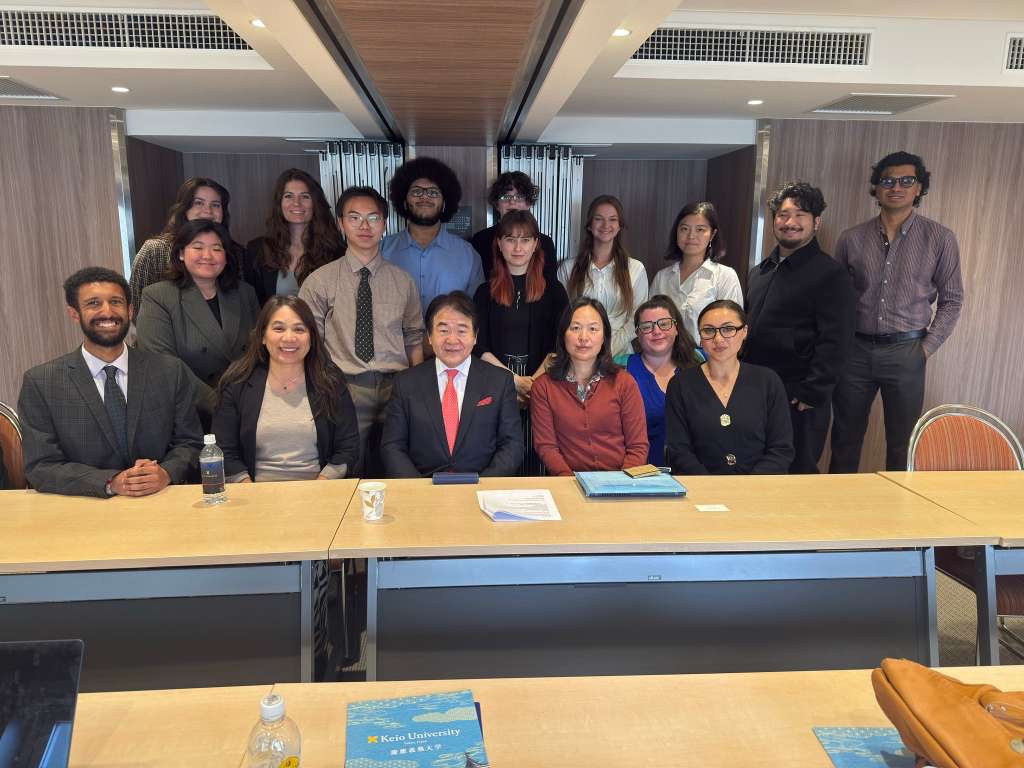
Mid-week the larger group of 10 students transitioned to Tokyo, joining their peers for a deep dive into Japanese statecraft. In Tokyo, the curriculum shifted toward security and geoeconomics. Students participated in a briefing at the Diplomatic Archives of the Ministry of Foreign Affairs (MOFA) and conducted research at the National Diet Library. They also engaged with world-renowned scholars, including Prof. Ken Jimbo and Professor Kazuto Suzuki, Director of the Institute of Geoeconomics, to discuss Japan’s policy responses to global crises. The group visited the Japanese National Diet to learn about the Japanese political system and policymaking procedures. Prof. Haizo Takenawa shared with our students the fiscal and banking reform he designed as Minister of State for Economic and Fiscal Policy and later financial services and its lasting impact on Japanese economy today. Ambassador Kazuhiko Togo also lectured on the evolution of Japan’s foreign policy and explained the sources of tension between US and Japan, China and Japan bilaterally. He also covered the territorial dispute negotiation he conducted with Russia, and shared with MIIS students the art and science of formal diplomacy.
Connecting with the Middlebury Institute Global Network
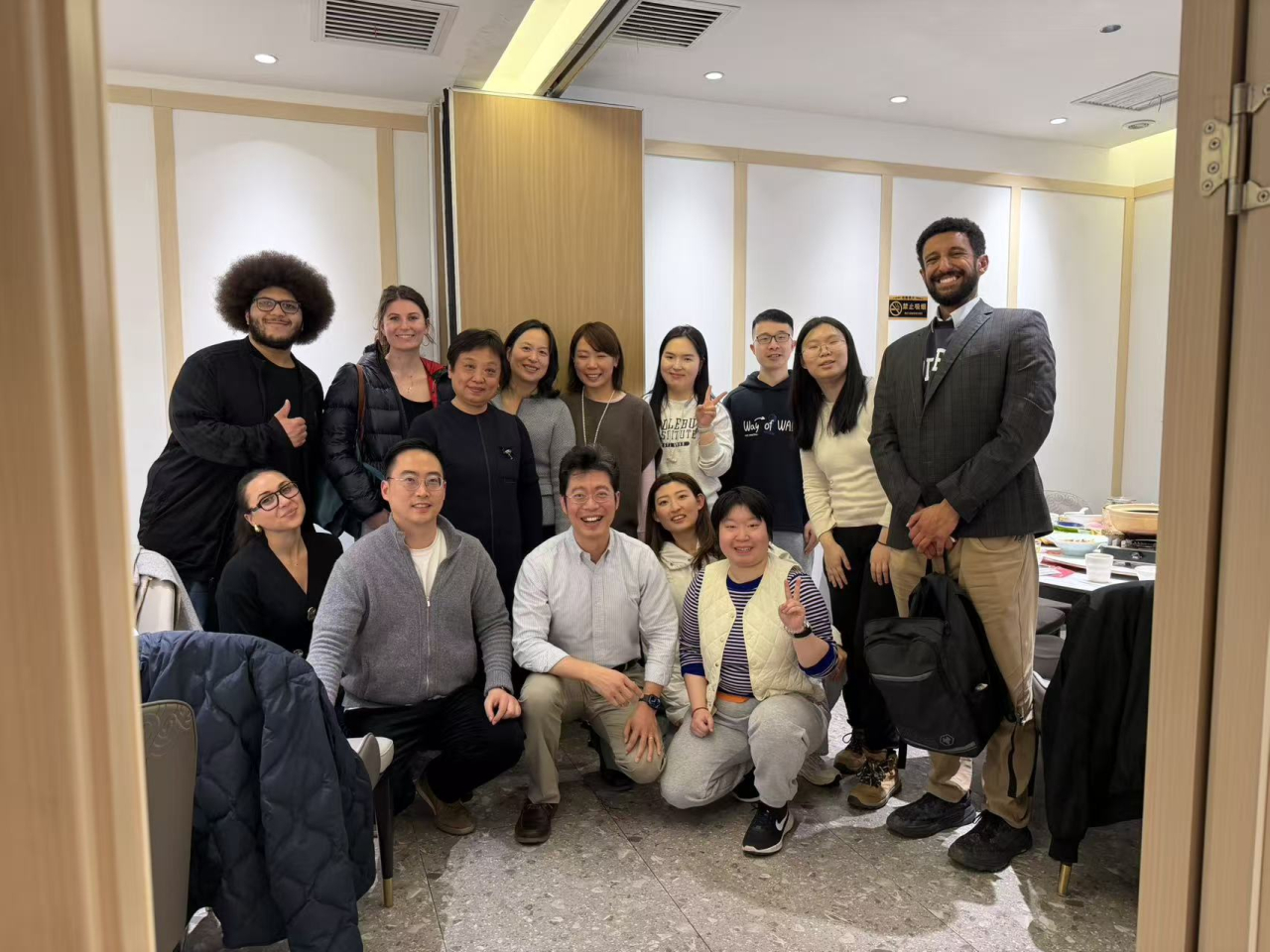
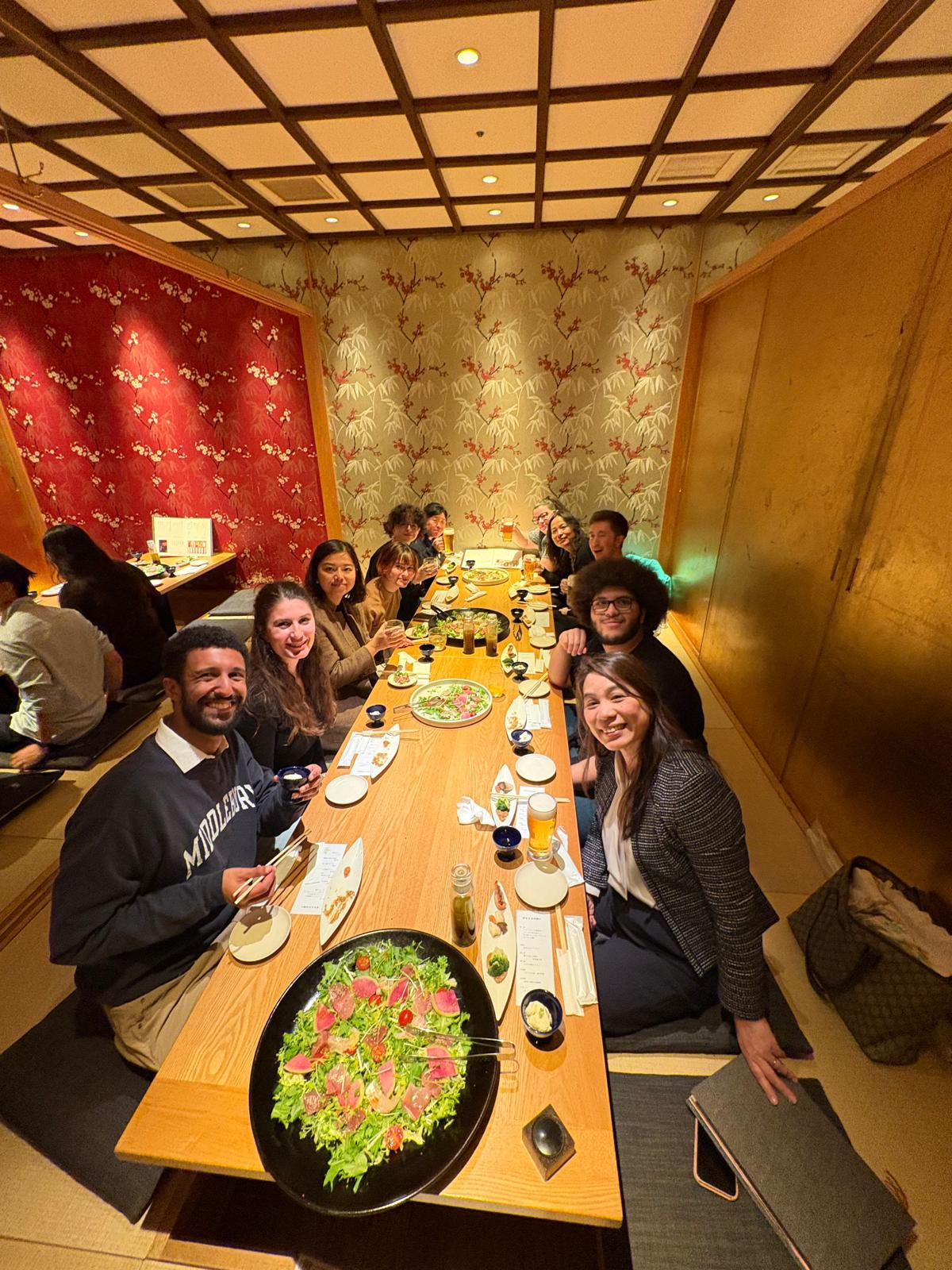
Beyond formal lectures, the trip served as a powerful networking platform. Students met with MIIS alumni in both cities, sharing dinners and professional insights. In Tokyo, a dedicated session with a MIIS Nonproliferation and Terrorism Studies alumna highlighted the real-world impact of a Middlebury education on global activism and disarmament.
Through these interactions, students didn’t just study international relations; they practiced them. Whether discussing demographic shifts with Dr. Cheng Meng or analyzing the “China-Russia alliance” with Ambassador Togo, the participants returned with a nuanced understanding of the forces shaping the 21st century.


On Campus Presentations
Participants will continue their research throughout the spring semester by making use of their lecture notes and resources collected during their time in Beijing and Tokyo. Students will submit a final research paper and present their findings to the MIIS community. Language Studies students will present their findings during the mini-Monterey Model on April 24. The event will feature students presenting on their research in their second language with MIIS Consecutive Interpretation students interpreting their content into English and other languages.
When you have the opportunity to engage with true professionals in a field, it not only enlightens but makes us better educators and students, growing in our knowledge of global affairs. I witnessed the students’ curiosity and teamwork they showed while fully immersing themselves in the target culture.
About MIIS Global Courses
At the Middlebury Institute (MIIS), a global course is a faculty-led experiential learning opportunity that involves domestic or international travel to provide students with on-the-ground exposure to professional organizations and pressing global issues. These courses integrate academic theory with practical application through site visits, field research, or client-based projects, allowing students to build professional skills and intercultural competence. To ensure academic rigor and safety, each course undergoes a comprehensive vetting process and includes structured pre-departure preparation, during-experience reflection, and post-travel debriefing. Ultimately, these programs are designed to be integral to MIIS degree learning objectives while fostering significant skill and self-development.
For More Information
The Experiential Learning Team at MIIS
ExperientialLearning@middlebury.edu
831-647-6417